
Kashmiri Jhumka: History, Styles & How to Wear India’s Iconic Earring (2026)
Key Takeaways
- Kashmiri jhumka is an iconic bell-shaped earring originating from the Kashmir Valley, influenced by Mughal-era jewellery craftsmanship.
- The traditional Kashmiri jhumka — called dehjhoor in Kashmiri — features a distinctive dome top, elongated bell, and silver or gold-plated construction.
- Popular styles include oxidised, silver-plated, gold-plated, kundan, stone-work, and lightweight these bell earrings designs for everyday wear.
- Such traditional jhumkass pair beautifully with sarees, kurtis, lehengas, and even western outfits for a fusion look.
- Glamaya offers 80+ this iconic earring designs in oxidised and gold-plated finishes — all priced under Rs. 599.
Table of Contents
- What Is a These bell-shaped earrings?
- History and Origin of the These bell-shaped earrings
- Anatomy of a This iconic earring
- Types of Such traditional jhumkas
- This iconic design vs Regular Jhumka
- How to Style This earring style with Sarees
- How to Style These bell earrings with Kurtis and Western Outfits
- Best Face Shapes for Heritage danglerss
- How to Care for Your This iconic design
- Where to Buy These ornate bell earringss Online
- Frequently Asked Questions About Kashmiri Jhumka
This traditional design earrings are among the most beloved and recognisable jewellery pieces in Indian fashion today. Known for their distinctive bell shape, intricate metalwork, and graceful sway, these earrings have captured the hearts of women across India and the world. Indeed, the kashmiri jhumka traces its roots to the enchanting Kashmir Valley, where Mughal-era artisans first created these iconic accessories. Furthermore, whether you prefer the rustic charm of oxidised silver or the glamour of gold-plated designs, there is a Kashmiri-style danglers style for every occasion and outfit. In this detailed guide, we cover the history, anatomy, types, styling tips, face shape recommendations, and care instructions for kashmiri jhumka earrings — your complete resource for 2026.
What Is a Such ornate earrings?
A kashmiri jhumka is a traditional Indian bell-shaped earring that originated in the Kashmir Valley of northern India. It features a dome-shaped top (also called the cap or stud), a connecting chain or link, and a hollow bell that hangs below and sways with the wearer’s movement. Furthermore, the this iconic earring is distinguished from other jhumka styles by its elongated bell shape, heavier construction, and intricate surface work including filigree, engraving, or embossing.
In Kashmiri language, this earring is traditionally called “dehjhoor” and has been part of Kashmiri women’s bridal trousseau for centuries. Additionally, the these heritage pieces holds cultural significance beyond mere decoration — it symbolises femininity, marital status, and family heritage in Kashmir Valley communities. Moreover, the jingling sound of a these bell-shaped earrings is considered auspicious in many Indian traditions.
In modern fashion, the kashmiri jhumka has become a pan-Indian phenomenon. For example, Bollywood actresses like Kangana Ranaut, Sonam Kapoor, and Janhvi Kapoor have popularised such traditional jhumkas earrings on screen and at public events. Consequently, this once-regional accessory now appears in every jewellery collection from budget to luxury brands. The this earring style works equally well with traditional sarees and contemporary western outfits.
History and Origin of the Bell-shaped danglers
The kashmiri jhumka has a rich history intertwined with the cultural heritage of the Kashmir Valley and Mughal Empire. According to historians at the National Museum in New Delhi, bell-shaped earrings appeared in Indian jewellery as early as the 3rd century BCE, as seen in Gandhara sculptures. However, the distinctive heritage danglers style we know today evolved during the Mughal period (16th to 19th century) when Mughal emperors brought Persian and Central Asian jewellery techniques to Kashmir.
Specifically, Emperor Akbar’s patronage of Kashmiri artisans in the 16th century CE led to the development of refined metalworking techniques in Srinagar. Furthermore, the this jhumka style incorporated elements from Persian “gooshvareh” (ear ornaments) and combined them with indigenous Indian bell earring traditions. As a result, a unique hybrid style emerged — the these ornate bell earrings — characterised by detailed filigree work, a pronounced bell shape, and silver as the primary metal.
During the 18th and 19th centuries, kashmiri jhumka designs became increasingly elaborate under Dogra rulers. Moreover, the earrings became an essential part of the Kashmiri bride’s “aad” (traditional jewellery set). However, the partition of India in 1947 and subsequent political unrest disrupted many traditional crafts in Kashmir. Nevertheless, the this traditional design survived through diaspora artisans and mass production in cities like Delhi, Jaipur, and Mumbai. According to the Incredible India cultural portal, Kashmiri metalwork traditions — including Kashmiri-style danglers craftsmanship — are recognised as an important part of India’s intangible cultural heritage. Today, the such ornate earrings is one of the most searched earring styles in India, with over 27,000 monthly searches.
Anatomy of a These artisan earrings
Understanding the anatomy of a kashmiri jhumka helps you evaluate quality, comfort, and authenticity when shopping. Every these heritage pieces consists of three main structural components that work together to create its iconic silhouette.
The Dome (Cap or Stud)
The top portion of a these danglers is a dome-shaped cap that sits against the earlobe. Furthermore, this dome is typically decorated with embossing, stone settings, or filigree patterns. In traditional bell-shaped danglers designs, the dome features floral or paisley motifs. Moreover, the dome provides the structural anchor that supports the weight of the bell below. High-quality this jhumka style domes have a smooth interior to prevent skin irritation.
The Chain or Connector
A short chain or rigid link connects the dome to the bell of the kashmiri jhumka. Additionally, this connector allows the bell to swing freely, creating the characteristic movement and sound. In some these artisan earrings styles, the connector features small pearls, beads, or decorative links. Moreover, the length of this connector determines how far the bell hangs below the earlobe — typically 2 to 4 centimetres for a standard these danglers.
The Bell
The bell is the most recognisable part of the ornate valley earrings. It is a hollow, inverted cone or dome shape that tapers to a point or finial at the bottom. Furthermore, the ornate valley earrings bell is larger and more elongated than bells on regular jhumkas. The exterior surface features intricate metalwork, including engravings, stone settings, or dangling charms. Additionally, a small bead or ghungroo (tiny bell) inside creates the jingling sound associated with the this iconic earring.
Types of Kashmiri Jhumka
This iconic earring earrings come in a wide variety of styles, metals, and finishes to suit different occasions, budgets, and personal preferences. Below are the most popular types of these bell-shaped earrings available in 2026.
Oxidised Kashmiri Jhumka
The oxidised these bell-shaped earrings features a dark, antique silver finish achieved through a chemical oxidation process. This style is the most popular such traditional jhumkas variant in India today because of its rustic, bohemian aesthetic. Furthermore, oxidised this earring styles are lightweight, affordable (typically Rs. 149 to Rs. 399), and pair perfectly with cotton kurtis and denim outfits. Explore the complete collection of earring designs at Glamaya.
-
 Glamorous Oxidised Jhumki Bracelet For Women
Original price was: ₹1,799.00.₹499.00Current price is: ₹499.00.
Glamorous Oxidised Jhumki Bracelet For Women
Original price was: ₹1,799.00.₹499.00Current price is: ₹499.00. -
Sneha Oxidized Two Tone Earcuff Earrings
Original price was: ₹2,149.00.₹499.00Current price is: ₹499.00.
-
Layla Jhumki Oxidised Anklet
Original price was: ₹2,349.00.₹499.00Current price is: ₹499.00.
-
Ethnic Oxidized Chandbali Jhumka Earrings
Original price was: ₹1,799.00.₹349.00Current price is: ₹349.00.


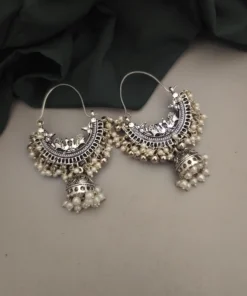
Silver-Plated Kashmiri Jhumka
Silver-plated such traditional jhumkas earrings offer a brighter, more polished look compared to oxidised versions. Additionally, these heritage danglerss work well for semi-formal occasions like office parties and dinner dates. Moreover, silver-plated these ornate bell earringss complement pastel and light-coloured outfits beautifully. The plating provides the appearance of solid silver at a much lower price point.
Gold-Plated Kashmiri Jhumka
Gold-plated this earring style designs are ideal for weddings, festivals, and formal Indian events. Furthermore, these this traditional designs feature a warm gold tone that pairs perfectly with silk sarees, lehengas, and bridal outfits. Additionally, gold-plated Kashmiri-style danglerss from Glamaya use thick 1-micron plating for lasting durability. Specifically, these such ornate earringss are the go-to choice for Diwali, Eid, and wedding season.
Kundan Kashmiri Jhumka
Kundan heritage danglers earrings combine the bell shape of a these heritage pieces with the glass-stone setting technique of Rajasthani kundan work. As a result, these bell-shaped danglerss are among the most ornate and bridal-friendly styles available. Moreover, kundan this jhumka styles typically feature multi-coloured stones in pink, green, and white arranged around the dome and bell.
-
Stunning Alia Inspired Pearl Jhumka Earrings
Original price was: ₹2,149.00.₹449.00Current price is: ₹449.00.
-
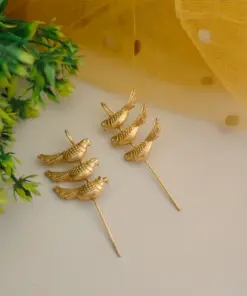
TARINI Gold Replica Sui Earrings
Original price was: ₹1,059.00.₹499.00Current price is: ₹499.00.
-
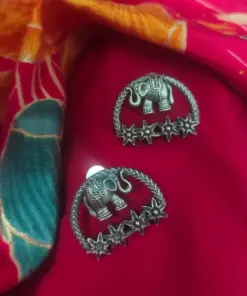
HASTINI Elephant Silver Replica Stud Earrings
Original price was: ₹1,299.00.₹499.00Current price is: ₹499.00.

Stone-Work Kashmiri Jhumka
Stone-work these ornate bell earrings designs feature coloured glass, crystal, or semi-precious stones embedded across the dome and bell surface. Additionally, these these artisan earringss are available in various colour combinations — including ruby red, emerald green, sapphire blue, and multi-colour options. Furthermore, stone-work these danglerss add a vibrant pop of colour that complements both traditional and fusion outfits.
Lightweight Kashmiri Jhumka
Lightweight this traditional design designs weigh under 15 grams, making them comfortable for all-day wear. Moreover, these ornate valley earringss are perfect for women who love the this iconic earring aesthetic but prefer not to wear heavy earrings. Specifically, lightweight these bell-shaped earringss achieve their reduced weight through hollow construction, thinner metal sheets, and minimal stone work. Discover lightweight jhumka designs at Glamaya.
-
Stylish Oxidised Mirror Jhumka Earrings: Lightweight & Trendy
Original price was: ₹2,149.00.₹449.00Current price is: ₹449.00.
-
Ethnic Two Tone Jhumka Earrings - Lightweight & Trendy
Original price was: ₹2,349.00.₹499.00Current price is: ₹499.00.
-
Chic Lightweight Oxidised Black Jhumka Earrings
Original price was: ₹2,149.00.₹449.00Current price is: ₹449.00.


Kashmiri Jhumka vs Regular Jhumka
Many shoppers wonder about the difference between a Kashmiri-style danglers and a regular jhumka. While both are bell-shaped earrings, there are several key distinctions in design, weight, and styling. Below is a detailed comparison table.
| Feature | Kashmiri Jhumka | Regular Jhumka |
|---|---|---|
| Origin | Kashmir Valley, Mughal influence | Pan-Indian, various regional origins |
| Bell Shape | Elongated, narrow, pointed bottom | Round, wide, dome-shaped bottom |
| Size | Medium to large (5-9 cm length) | Small to large (3-8 cm length) |
| Weight | 15-40 grams typically | 5-30 grams typically |
| Chain/Connector | Always present, allows swing | Optional, may be directly attached |
| Surface Work | Filigree, engraving, detailed metalwork | Varies: smooth, embossed, or stone-set |
| Sound | Distinct jingling from internal bead | May or may not produce sound |
| Best Paired With | Sarees, heavy kurtis, lehengas, western fusion | All Indian and fusion outfits |
| Price (Fashion Grade) | Rs. 149 – Rs. 599 | Rs. 99 – Rs. 499 |
In summary, the such ornate earrings stands out for its elongated bell, connecting chain, and detailed metalwork. However, both styles are beautiful and versatile. Indeed, many women at Glamaya own both such traditional jhumkas and regular jhumka styles to cover different outfit needs throughout the week.
How to Style Kashmiri Jhumka with Sarees
A these heritage pieces is the perfect earring choice for saree outfits because its ornate design and graceful movement complement the drape and flow of a saree. Here are specific styling tips for pairing this earring style earrings with different saree types.
Kashmiri Jhumka with Silk Sarees
For weddings and festivals, pair a gold-plated bell-shaped danglers with a rich Kanjivaram or Banarasi silk saree. Additionally, choose a heritage danglers with kemp or kundan stones that match the saree’s border colour. Moreover, keep other jewellery minimal — a these ornate bell earrings makes enough of a statement on its own with heavy silk sarees. Furthermore, tie your hair in a low bun to showcase the full length of the this traditional design earrings.
Kashmiri Jhumka with Cotton and Linen Sarees
For casual and office settings, an oxidised this jhumka style pairs beautifully with handloom cotton sarees. Specifically, the rustic finish of an oxidised Kashmiri-style danglers complements the earthy textures of khadi and linen sarees perfectly. Moreover, choose a medium-sized such ornate earrings (under 5 cm) for a balanced daytime look. Additionally, browse dangler earring designs at Glamaya for complementary options.
Kashmiri Jhumka with Chiffon and Georgette Sarees
Lightweight chiffon sarees call for medium-weight these artisan earrings earrings. Furthermore, stone-work these heritage piecess in matching colours create a coordinated party look with printed georgette sarees. Consequently, this combination is ideal for cocktail parties, receptions, and evening events where you want elegance without heaviness.
How to Style Kashmiri Jhumka with Kurtis and Western Outfits
The these danglers is remarkably versatile — it transitions seamlessly from ethnic to western styling. Here are practical tips for wearing bell-shaped danglers earrings with everyday outfits beyond sarees.
With Kurtis and Salwar Suits
A medium-sized oxidised kashmiri jhumka is the ideal companion for daily kurta looks. Additionally, pair a this jhumka style with a matching oxidised choker necklace from Glamaya for a complete ethnic look. Moreover, Anarkali suits look stunning with larger these artisan earrings designs because the long silhouette balances the earring’s drama. Specifically, choose oxidised these danglerss for printed kurtis and gold-plated versions for solid-colour suits.
With Jeans and Western Tops
For a trendy Indo-Western fusion look, pair a small oxidised ornate valley earrings with a plain white t-shirt and blue jeans. Furthermore, the ornate valley earrings adds an instant ethnic edge to any western outfit without looking overdone. Moreover, boho-style this iconic earrings with oxidised finish and bead work pair perfectly with maxi dresses and off-shoulder tops. Consequently, this versatility makes the these bell-shaped earrings a wardrobe essential for modern Indian women.
With Lehengas
For bridal and festive lehenga looks, choose a statement kundan or gold-plated kashmiri jhumka. Additionally, pair the such traditional jhumkas with a matching bangle set from Glamaya for a cohesive look. Moreover, oversized this earring style earrings (7+ cm) work best with lehengas because the voluminous skirt needs equally bold accessories to create visual balance.
-
Trendy Big Size Silver Plated Ethnic Jhumka Earrings For Women
Original price was: ₹2,149.00.₹449.00Current price is: ₹449.00.

Best Face Shapes for s
Choosing the right this iconic earring for your face shape enhances your overall appearance significantly. While heritage danglerss suit most face shapes, certain styles work better than others depending on your facial structure.
- Oval face: Lucky you — almost every kashmiri jhumka style works with an oval face. However, medium-sized these bell-shaped earringss with moderate bell width look the most balanced and elegant.
- Round face: Choose elongated kashmiri jhumka designs with a narrow bell to create a lengthening effect. Additionally, avoid very wide or circular such traditional jhumkas styles that add width to the face.
- Heart-shaped face: Kashmiri jhumkas with a wider bell bottom balance a narrow chin beautifully. Furthermore, chandelier-style this earring styles with dangling elements at the bottom work exceptionally well for heart-shaped faces.
- Square face: Rounded kashmiri jhumka bells soften angular jawlines effectively. Moreover, choose heritage danglerss with curved designs rather than geometric or angular patterns for the most flattering effect.
- Long/rectangular face: Short and wide kashmiri jhumka designs add width and balance to a long face. Specifically, choose these ornate bell earringss that are wider than they are long for the best visual proportion.
In general, the kashmiri jhumka is one of the most universally flattering earring styles because its bell shape provides both length and width simultaneously. Consequently, even if you are unsure of your face shape, a medium-sized these ornate bell earrings is almost always a safe and stylish choice.
How to Care for Your
Proper care and maintenance extend the life and beauty of your this traditional design collection significantly. Whether you own oxidised, gold-plated, or silver this traditional design earrings, following these care tips ensures they look stunning for years.
How to Clean a
For oxidised kashmiri jhumka earrings, gently wipe with a dry soft cloth after each wear to remove skin oils and dust. Furthermore, never use water or chemical cleaners on oxidised Kashmiri-style danglerss because this removes the deliberate dark patina finish. For gold-plated such ornate earringss, use a slightly damp cloth with mild soap and dry immediately. Moreover, use a soft toothbrush to clean intricate filigree areas of your these heritage pieces where dust accumulates over time.
How to Store Earrings
Store each Kashmiri-style danglers pair in individual soft cloth pouches or zip-lock bags to prevent scratching. Additionally, keep bell-shaped danglerss away from direct sunlight, perfumes, and moisture. Furthermore, add a small silica gel packet to your jewellery box to absorb humidity that can tarnish this jhumka style finishes. Specifically, never store these artisan earringss in the bathroom because humidity accelerates oxidation.
Mistakes to Avoid with s
Avoid wearing kashmiri jhumka earrings while swimming, showering, or exercising. Additionally, spray perfume and hairspray before putting on your these danglerss — not after. Moreover, remove ornate valley earringss before sleeping to prevent bending the hooks and damaging delicate filigree work. Consequently, these simple precautions keep your this iconic earring collection in excellent condition for 3 to 5 years.
Where to Buy s Online in India
Finding authentic and high-quality such ornate earrings earrings online requires choosing a reliable store with good reviews, clear product images, and a fair return policy. Here is what to look for when shopping for these bell-shaped earrings earrings online.
First, examine product photos closely — a good kashmiri jhumka listing shows the earring from multiple angles including the hook mechanism. Additionally, check customer reviews specifically for comments about weight, plating quality, and comfort during extended wear. Moreover, verify that the store offers a return policy in case the such traditional jhumkas does not match your expectations.
Glamaya is one of India’s leading online stores for affordable these heritage pieces earrings. The store offers over 80 this earring style designs in oxidised, gold-plated, silver, and stone-work finishes — all priced under Rs. 599. Furthermore, every heritage danglers at Glamaya is nickel-free and hypoallergenic, making them safe for sensitive ears. Explore the complete jhumka combo sets at Glamaya for best value when buying multiple these ornate bell earrings pairs.
Frequently Asked Questions About
1. What is a kashmiri jhumka?
A kashmiri jhumka is a traditional bell-shaped earring originating from the Kashmir Valley in northern India. It features a dome top, connecting chain, and elongated hollow bell with intricate metalwork. Furthermore, the this traditional design is distinguished by its Mughal-influenced design and distinctive jingling sound.
2. Why is it called a kashmiri jhumka?
It is called a bell-shaped danglers because this specific bell-shaped earring style originated in the Kashmir Valley. The traditional Kashmiri name for this earring is “dehjhoor.” Additionally, the Kashmiri-style danglers design was heavily influenced by Mughal-era Persian jewellery techniques that flourished in the Kashmir region.
3. Are kashmiri jhumkas heavy to wear?
Traditional kashmiri jhumka earrings can be heavy (20 to 40 grams), but modern lightweight versions weigh only 8 to 15 grams. Furthermore, Glamaya offers a dedicated lightweight such ornate earrings collection designed for all-day comfort. Specifically, hollow-bell construction and thinner metal sheets reduce weight without compromising the these heritage pieces aesthetic.
4. Can I wear a kashmiri jhumka with western outfits?
Yes, this jhumka style earrings look stunning with western outfits. A small oxidised bell-shaped danglers pairs perfectly with jeans and a plain top for a boho-chic look. Moreover, medium-sized this jhumka styles complement maxi dresses, off-shoulder tops, and blazer outfits for a trendy Indo-Western aesthetic.
5. How do I choose the right kashmiri jhumka size?
Choose kashmiri jhumka size based on the occasion: small (3 to 4 cm) for daily wear, medium (5 to 6 cm) for parties and festivals, and large (7+ cm) for weddings and bridal looks. Additionally, consider your face shape — elongated these artisan earringss suit round faces, while wider styles flatter long faces.
6. What is the difference between a kashmiri jhumka and a chandbali?
A these artisan earrings has an elongated bell shape that tapers to a point, while a chandbali has a crescent-moon (chand) shape that is wide and flat. Furthermore, these danglerss originate from Kashmir with Mughal influence, whereas chandbalis trace their roots to Hyderabadi Nizami jewellery traditions in South India.
7. How long do oxidised kashmiri jhumkas last?
With proper care, oxidised kashmiri jhumka earrings last 2 to 4 years before needing replacement. Furthermore, storing ornate valley earringss in airtight pouches away from moisture extends their life significantly. However, the oxidised finish may lighten with frequent handling, which some wearers actually prefer as a vintage patina effect.
8. Can kashmiri jhumkas cause allergic reactions?
Low-quality these danglers earrings containing nickel can cause allergic reactions in sensitive ears. However, nickel-free this iconic earrings from stores like Glamaya are hypoallergenic and safe. Additionally, applying a thin coat of clear nail polish on these bell-shaped earrings hooks creates an extra barrier against skin sensitivity.
9. What outfits look best with a gold-plated kashmiri jhumka?
Gold-plated kashmiri jhumka earrings look best with silk sarees, lehengas, Anarkali suits, and brocade outfits. Furthermore, gold-plated such traditional jhumkass are the top choice for weddings, Diwali, Eid, and formal Indian celebrations. Specifically, pair them with deep jewel-toned outfits (maroon, emerald, navy) for maximum visual impact.
10. Where can I buy affordable kashmiri jhumkas online?
Glamaya offers 80+ kashmiri jhumka designs starting at Rs. 149 with free shipping across India. Furthermore, every kashmiri jhumka at Glamaya is nickel-free, comes with a 7-day return policy, and features detailed product photos from multiple angles so you know exactly what you are buying.