
Temple Jewellery: History, Sacred Significance & Modern Styling Guide (2026)
Key Takeaways
- Temple jewellery originated in South Indian temples during the 9th-century Chola dynasty and was first crafted for deity idols and Bharatanatyam dancers.
- Popular types include Lakshmi haram, kemp jewellery, mango mala, vanki (armlet), oddiyanam (waist belt), and temple jhumkas.
- Each South Indian state — Tamil Nadu, Andhra Pradesh, Karnataka, and Kerala — has its own distinctive temple jewellery tradition.
- Modern these sacred pieces pairs beautifully with silk sarees, lehengas, and even contemporary Indo-Western outfits.
- Glamaya offers 1,270+ such devotional designs designs in oxidised, gold-plated, and kemp styles — all under Rs. 999.
Table of Contents
- What Is Heritage pieces?
- History and Origin of These sacred ornaments
- Types of These sacred ornaments
- This traditional art form by Region
- Materials Used in Heritage temple pieces
- How to Style This traditional art with Sarees
- How to Style Such devotional designs with Modern Outfits
- Temple Jewellery vs Kundan vs Oxidised Jewellery
- How to Care for These ornaments
- Where to Buy Temple Jewellery Online
- Frequently Asked Questions About This craft tradition
Temple jewellery is one of India’s most revered and visually stunning jewellery traditions, with roots stretching back over 1,000 years to the great Chola dynasty of South India. Originally crafted for adorning Hindu deity idols in sacred temples, this heritage art form has evolved into a beloved fashion statement for weddings, festivals, and Bharatanatyam performances across the country. Indeed, the intricate gold-plated motifs of gods, goddesses, and temple architecture make temple-inspired adornments instantly recognisable. Furthermore, whether you are a bride searching for statement pieces or a collector who appreciates heritage craftsmanship, understanding temple jewellery helps you make informed choices. In this comprehensive guide, we explore its history, types, regional variations, styling tips, and care instructions — everything you need to know in 2026.
What Is These traditional pieces?
Temple jewellery is a traditional South Indian jewellery style that features embossed motifs of Hindu deities, temple gopurams (towers), and sacred symbols like the lotus and peacock. Originally, artisans created these pieces exclusively for decorating temple idols and for Bharatanatyam dancers performing inside temple complexes. As a result, every design in this traditional art form carries deep spiritual significance alongside aesthetic beauty.
Additionally, this ancient art is characterised by heavy, ornate craftsmanship using the “nakshi” technique — a method of embossing intricate deity figures onto thin gold sheets. Artisans traditionally use gold as the base metal, though modern versions feature gold-plated brass, copper, or silver. Specifically, common motifs on these sacred ornaments include Goddess Lakshmi (the most popular), Lord Krishna, temple bells, mango shapes (paisley), and mythological scenes from Hindu epics.
In contemporary fashion, temple jewellery has transcended its religious origins entirely. For example, Bollywood celebrities like Deepika Padukone, Aishwarya Rai, and Vidya Balan have worn heritage temple pieces on red carpets and at high-profile weddings. Consequently, this traditional art form now appeals to women across India and abroad. The Hindi term is “mandir ke gehne”, though it is most commonly referred to by its English name across all Indian regions today.
History and Origin of Devotional gold ornaments
The history of temple jewellery dates back over 1,000 years to the powerful Chola dynasty (9th to 13th century CE) in South India. According to the National Museum in New Delhi, the earliest examples of such devotional designs were found in Thanjavur (Tanjore) and Kumbakonam in present-day Tamil Nadu. Furthermore, the Chola kings were prolific temple builders and generous patrons of the arts. They commissioned skilled goldsmiths known as “Swarnakars” to craft elaborate these ornaments for deity idols at the Brihadeeswara Temple in Thanjavur, a UNESCO World Heritage Site built around 1010 CE.
During the Vijayanagara Empire (14th to 17th century), such traditional designs reached its artistic zenith across the Deccan region. Specifically, the rulers of Hampi in Karnataka expanded the tradition by commissioning ornaments for hundreds of temples. Similarly, the Nayak dynasty of Madurai further refined the craft of this craft tradition making during the 16th and 17th centuries. Moreover, devadasis (temple dancers) became important wearers of temple-inspired adornments because they performed sacred dances before the deities daily.
However, under British colonial rule, many temple traditions declined significantly across South India. The Anti-Devadasi Movement of the early 20th century further reduced demand for temple jewellery. Nevertheless, post-independence cultural revivalists like Rukmini Devi Arundale helped revive Bharatanatyam and, consequently, these traditional pieces. In fact, the Kalakshetra Foundation in Chennai became a major centre for preserving this heritage art form. Today, this ancient art enjoys a massive resurgence — valued not just for religious use but as bridal and fashion jewellery across India.
Types of These timeless ornaments
Temple jewellery encompasses a wide range of ornaments, each with a specific name, body placement, and cultural significance. Below, we explore the most popular types of devotional gold ornaments that every enthusiast should know about in 2026.
What Is a Lakshmi Haram? (Temple Necklace)
The Lakshmi haram is the most iconic type of this jewellery tradition necklace. It features a series of embossed Goddess Lakshmi coins linked together in a graduated pattern. Traditionally, brides in Tamil Nadu and Andhra Pradesh wear this such traditional designs necklace as their primary wedding ornament. Furthermore, the design symbolises wealth, prosperity, and divine blessings for the bride. Modern versions come in both heavy bridal sets and lighter everyday styles. You can explore similar traditional necklace designs at Glamaya.
What Is Kemp Temple Jewellery?
Kemp jewellery — also spelled “kempu” — refers to sacred adornments that uses ruby-red and emerald-green stones set in a gold base. The word “kempu” means “red” in Kannada. Additionally, these vibrant stones are typically synthetic corundum or glass, set using the traditional closed-back technique. Kemp these timeless ornaments is especially popular in Karnataka and Tamil Nadu. As a result, Bharatanatyam and Kuchipudi dancers prefer kemp this jewellery tradition sets because the bright colours remain visible from stage distance.
Mango Mala — The Paisley Temple Necklace
The mango mala features mango-shaped (paisley) pendants arranged in a beautiful necklace pattern. In Indian culture, the mango symbolises fertility and abundance. Consequently, this temple jewellery design is a favourite for weddings and auspicious occasions across South India. Moreover, the manga malai (Tamil name) often features alternating ruby and emerald kemp stones within each mango motif. A typical mango mala set includes 9, 11, or 15 mango units — always an odd, auspicious number.
Vanki — The This ornamental heritage Armlet
The vanki is a V-shaped armlet worn on the upper arm and one of the most distinctive temple jewellery pieces in existence. Furthermore, the vanki typically features a central deity motif flanked by serpent or peacock designs. Brides in South India consider this sacred adornments armlet essential because it symbolises marital strength and divine protection. Explore similar armlet and bangle designs at Glamaya for affordable alternatives.
Oddiyanam — Temple-style pieces Waist Belt
The oddiyanam — known as “vaddanam” in Telugu — is an elaborate waist belt adorned with temple jewellery motifs including deity figures and temple architecture. Additionally, the oddiyanam serves both decorative and functional purposes by helping keep saree pleats in place during ceremonies. In fact, a traditional bridal oddiyanam in pure gold can weigh over 200 grams. Browse affordable waist belt designs at Glamaya for modern options.
Temple Jhumkas — Sacred Bell Earrings
Temple jhumkas are bell-shaped earrings featuring embossed this traditional art form motifs on their dome and bell portions. They have a stud top connected to a hanging bell that sways gracefully with movement. Moreover, temple jhumkas are heavier and more ornate than regular jhumkas, often incorporating Lakshmi motifs, peacocks, or lotus designs. Discover stunning jhumka collections at Glamaya.
Temple Nath and Nethichutti
The temple nath is a large nose ring adorned with temple jewellery motifs, kemp stones, and seed pearls. Similarly, the nethichutti is a forehead ornament spanning the entire forehead with connected temple motifs creating a crown-like effect. Both pieces are essential for classical dancers and South Indian brides wearing this ornamental heritage. Check out maangtikka and hair accessory designs at Glamaya.
-
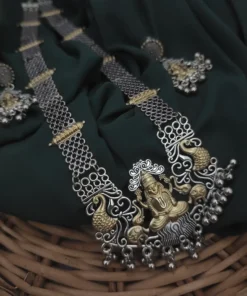
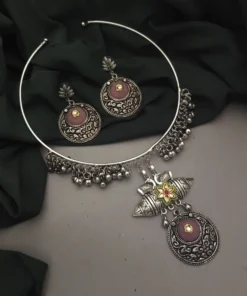
 0xidised Two Tone Temple Necklace Earrings Set
Original price was: ₹2,149.00.₹749.00Current price is: ₹749.00.
0xidised Two Tone Temple Necklace Earrings Set
Original price was: ₹2,149.00.₹749.00Current price is: ₹749.00. -
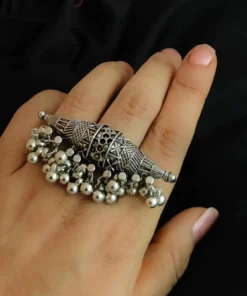
Ethnic Oxidised Adjustable Finger Ring - Unique Designs For Women
Original price was: ₹1,799.00.₹349.00Current price is: ₹349.00.
-
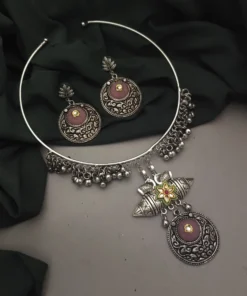
Pink Ethnic Hasli Necklace & Earring Set - Traditional Indian Style
Original price was: ₹2,349.00.₹749.00Current price is: ₹749.00.
-
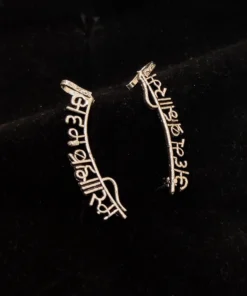
Aham Brahmasmi Oxidised Cute Earcuffs
Original price was: ₹1,799.00.₹349.00Current price is: ₹349.00.
These sacred ornaments by Region
Temple jewellery varies significantly across South Indian states. Each region has developed its own distinctive techniques, motifs, and wearing traditions over centuries of cultural evolution. Understanding these regional differences helps you appreciate the diversity within the temple-style pieces tradition.
Heritage temple pieces in Tamil Nadu
Tamil Nadu is the birthplace of temple jewellery. The towns of Nagercoil, Kumbakonam, and Thanjavur remain primary production centres even today. Moreover, Tamil this traditional art form is characterised by heavy gold work, Lakshmi coin motifs, and kemp stone embellishments. The state’s Bharatanatyam tradition ensures constant demand for complete these sacred ornaments sets. In fact, a traditional Tamil bridal set includes 16 separate ornaments collectively known as “Solah Shringar”, including the nethichutti, jimikki (jhumkas), and oddiyanam.
Such devotional designs in Andhra Pradesh and Telangana
Andhra Pradesh is famous for its unique “Bottu Mala” (coin-pendant necklace) and elaborate vaddanam (waist belt). Additionally, the Tirupati temple tradition has created a distinct Andhra style of temple jewellery featuring Lord Venkateswara motifs prominently. Furthermore, Kuchipudi dancers from Andhra wear heritage temple pieces that is slightly lighter and more dancer-friendly than the heavier Tamil versions of these traditional ornaments.
These ornaments in Karnataka
Karnataka’s temple jewellery tradition centres around the Hoysala and Vijayanagara heritage of Hampi and Belur. Specifically, Dharwad and Hubli are known for producing fine kemp such devotional designs with meticulous craftsmanship. The state’s jewellers specialise in the “nakshi” embossing technique that defines these ornaments. Moreover, Karnataka this craft tradition frequently incorporates Yakshagana theatre motifs alongside traditional deity figures from Hindu mythology.
This craft tradition in Kerala
Kerala’s temple jewellery tradition features distinctive designs like the palakka mala (green leaf-stone necklace) and kaasu mala (coin necklace). Additionally, the Mohiniyattam dance tradition requires specific temple-inspired adornments pieces unique to the Kerala style. In contrast to Tamil designs, Kerala these traditional pieces tends to use more green stones, leaf motifs, and simpler silhouettes. Thrissur and Kozhikode serve as the main production centres for this ancient art in Kerala.
-
Pink Kundan Hasli Necklace Earring Set: Stylish Wedding & Party Wear
₹2,899.00
-
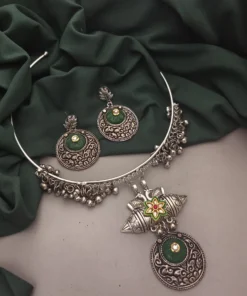
Green Oxidized Kundan Hasli Set - Traditional Women's Jewelry
Original price was: ₹2,899.00.₹749.00Current price is: ₹749.00.
-
Exquisite Oxidised Kundan Necklace Set
Original price was: ₹2,899.00.₹749.00Current price is: ₹749.00.
-
Exquisite Kundan Choker Earring Set: Traditional Elegance
Original price was: ₹2,149.00.₹499.00Current price is: ₹499.00.

What Materials Are Used in Temple-inspired adornments?
Traditional temple jewellery uses pure gold (22K or 24K) as the base metal. Artisans employ the “nakshi” embossing technique to create detailed deity figures on thin gold sheets. However, modern devotional gold ornaments uses a variety of materials to improve affordability and accessibility. Below is a detailed overview:
- Gold-plated brass or copper: The most common base for affordable these traditional pieces. Thick gold electroplating provides the traditional look at a fraction of the cost.
- Sterling silver with gold wash: Higher-quality temple jewellery uses a silver base with gold plating for better durability.
- Kemp stones (synthetic corundum): Ruby-red and emerald-green stones that define the this ancient art colour palette.
- Pearls: Small seed pearls border the edges of many temple jewellery pieces, adding contrast and elegance.
- Lac and resin: Filler material inside hollow devotional gold ornaments pieces provides structure without excessive weight.
- Terracotta and clay: Eco-friendly artisans now create temple jewellery using hand-painted terracotta for sustainable fashion.
Furthermore, according to the Indian Culture portal, the highest-quality such traditional designs from Nagercoil uses a combination of 22K gold sheets, natural rubies, and freshwater pearls. However, fashion-grade such traditional designs available at stores like Glamaya uses gold-plated alloy with kemp stones, offering the same visual appeal at a fraction of the price.
How to Style Temple Jewellery with Sarees
These timeless ornaments and sarees are a match made in South Indian heaven. The ornate gold motifs of these timeless ornaments complement the rich textures of silk sarees perfectly. Here are practical styling tips for pairing this jewellery tradition with different saree types in 2026.
Temple Jewellery with Kanjivaram Silk Sarees
For a classic South Indian bridal look, pair a Lakshmi haram this jewellery tradition necklace with a deep-red or maroon Kanjivaram silk saree. Additionally, add temple jhumkas and a nethichutti forehead piece. Moreover, stack gold-plated sacred adornments bangles on both wrists. This complete this ornamental heritage look is perfect for weddings, temple visits, and Pongal celebrations.
Temple Jewellery with Banarasi Sarees
Banarasi sarees from North India pair surprisingly well with sacred adornments. Choose a single statement temple-style pieces choker instead of a full haram set. Furthermore, balance the heavy zari work of the saree with medium-sized temple jhumkas rather than large chandelier styles. Consequently, this fusion look bridges North and South Indian aesthetics beautifully.
Temple Jewellery with Cotton and Linen Sarees
For everyday elegance, pair lightweight this ornamental heritage studs and a thin this traditional art form chain with a cotton or linen saree. Moreover, choose oxidised or matte-finish these sacred ornaments for a subdued daytime look. Specifically, Glamaya’s lightweight heritage temple pieces collection works perfectly for office wear and casual outings with cotton sarees. Browse the complete earring collection at Glamaya for suitable options.
How to Style Temple Jewellery with Modern Outfits
Temple-style pieces is no longer restricted to traditional outfits alone. In 2026, fashion-forward women across India style such devotional designs with modern silhouettes for a striking fusion aesthetic. Here are some practical tips for achieving this contemporary look.
With Lehengas
A temple jewellery choker paired with a richly embroidered lehenga creates a regal bridal look. Additionally, add a mango mala as a second layer for extra drama. Moreover, complete the these ornaments ensemble with a vanki armlet and small temple jhumkas for a cohesive appearance. This combination works exceptionally well for engagement ceremonies, sangeet nights, and reception events.
With Indo-Western Outfits
For a contemporary twist, pair a single statement this traditional art form piece with an Indo-Western outfit. For example, a this craft tradition choker looks stunning with a crop top and palazzo pants combination. Furthermore, oxidised temple-inspired adornments pairs beautifully with denim jackets and maxi skirts. However, the key rule is to let one these traditional pieces piece be the focal point — avoid wearing a complete set with modern outfits.
With Kurtis and Anarkalis
Medium-sized temple jhumkas are the perfect temple jewellery companion for daily kurta looks. Additionally, a simple this ancient art pendant chain adds ethnic charm to plain Anarkali suits. Moreover, stack thin devotional gold ornaments bangles with your watch for a casual-meets-traditional wrist look. Specifically, explore combo sets at Glamaya for pre-matched such traditional designs pairings that work with Indian and fusion outfits.
-
Elegant Premium Stone Hasli Necklace & Earring Set
Original price was: ₹2,149.00.₹749.00Current price is: ₹749.00.
-
Exquisite Jewelry Set: Necklace, Earrings, Bracelet, Nosepin, Rings
Original price was: ₹2,899.00.₹599.00Current price is: ₹599.00.
-
Chic Two-tone Bangles Set: Stylish Armlets Combo For Women
Original price was: ₹14,349.00.₹2,699.00Current price is: ₹2,699.00.
-
Exquisite Peacock Jewelry Combo Set - Premium Quality & Affordable
Original price was: ₹2,899.00.₹599.00Current price is: ₹599.00.

Vs Kundan vs Oxidised Jewellery
These sacred ornaments is often compared with other popular Indian jewellery styles such as kundan and oxidised jewellery. Each style has a unique origin, aesthetic, and wearing context. Below is a detailed comparison table to help you understand the differences.
| Feature | Temple Jewellery | Kundan Jewellery | Oxidised Jewellery |
|---|---|---|---|
| Origin | South India (Chola dynasty, 9th century) | Rajasthan (Mughal era, 16th century) | Global (modern Indian trend, 2010s) |
| Primary Motifs | Hindu deities, temple gopurams, lotus | Floral, Mughal geometric patterns | Tribal, bohemian, mixed motifs |
| Base Metal | Gold or gold-plated brass | Gold with lac core | Silver-toned base metal alloy |
| Stone Type | Kemp (ruby-red, emerald-green) | Polki, glass, semi-precious stones | Minimal or no stones |
| Colour Palette | Gold with red and green | Gold with multi-coloured stones | Silver-grey, antique finish |
| Best For | South Indian weddings, Bharatanatyam, temple visits | North Indian weddings, Rajasthani lehengas | Casual wear, college, boho looks |
| Price Range | Rs. 199 – Rs. 2,999 (fashion grade) | Rs. 249 – Rs. 2,999 (fashion grade) | Rs. 99 – Rs. 999 (fashion grade) |
| Weight | Medium to heavy | Medium to heavy | Light to medium |
In summary, heritage temple pieces is the ideal choice for South Indian weddings, classical dance, and traditional ceremonies. However, kundan jewellery suits North Indian bridal aesthetics, while oxidised jewellery works best for everyday casual wear. Indeed, many women at Glamaya purchase all three styles to cover different occasions in their wardrobe.
How to Care for
Proper care extends the life and lustre of your temple jewellery collection significantly. Whether you own gold-plated or pure gold these timeless ornaments, following these maintenance tips ensures your pieces last for years. Here is a step-by-step care guide for this jewellery tradition in 2026.
How to Clean at Home
For routine cleaning of such devotional designs, mix a few drops of mild dish soap in lukewarm water. Then, gently rub each piece with a soft toothbrush, paying attention to embossed deity motifs where dirt accumulates. Additionally, rinse the sacred adornments under clean water and pat dry with a soft cotton cloth immediately. However, never soak gold-plated this ornamental heritage for extended periods because this weakens the plating layer.
How to Store Properly
Store each temple jewellery piece separately in soft cloth pouches or zip-lock bags. Furthermore, add a small silica gel packet to absorb moisture and prevent tarnishing. Moreover, keep your temple-style pieces away from direct sunlight, perfumes, and chemical sprays. Specifically, never store this traditional art form in the bathroom because humidity accelerates oxidation of the gold plating.
Common Mistakes to Avoid with
Avoid wearing these ornaments while swimming, bathing, or exercising because sweat and chlorine damage the plating. Additionally, do not spray perfume directly onto these sacred ornaments — apply fragrance first and let it dry before wearing the jewellery. Furthermore, remove heritage temple pieces before sleeping to prevent mechanical damage to delicate embossed motifs. Consequently, following these simple precautions keeps your such devotional designs looking new for three to five years.
Where to Buy Online in India
Buying temple jewellery online offers convenience, variety, and competitive pricing compared to physical stores. However, choosing a reliable store is crucial for quality and authenticity. Here are the key factors to consider when shopping for these ornaments online.
First, look for stores that provide high-resolution images showing this craft tradition details from multiple angles. Additionally, check customer reviews and ratings for feedback on plating quality, stone setting, and durability. Moreover, verify the return and exchange policy before making a purchase. Specifically, Glamaya offers a 7-day easy return policy on all this craft tradition purchases.
Furthermore, Glamaya is one of India’s leading online destinations for affordable temple jewellery. The store offers over 1,270 temple-inspired adornments designs — including Lakshmi harams, kemp sets, temple jhumkas, and complete bridal sets — all priced under Rs. 999. Additionally, every these traditional pieces piece at Glamaya is nickel-free, hypoallergenic, and made with thick gold plating for long-lasting wear. Explore the complete this ancient art combo sets at Glamaya for the best value.
Frequently Asked Questions About
1. What is temple jewellery made of?
Traditional temple-inspired adornments is made of pure gold (22K or 24K) with kemp stones (ruby-red and emerald-green synthetic corundum) and seed pearls. However, modern fashion-grade devotional gold ornaments uses gold-plated brass or copper as the base metal. Additionally, some artisans create such traditional designs using sterling silver with a gold wash for better durability.
2. Is temple jewellery only for South Indian weddings?
No, temple jewellery is now worn across India for weddings, festivals, and fashion. Furthermore, Bollywood celebrities and fashion influencers regularly style these timeless ornaments with both traditional and modern outfits. Consequently, this jewellery tradition has become a pan-Indian fashion staple rather than a regional tradition alone.
3. How do I know if my temple jewellery is authentic?
Authentic handcrafted these traditional pieces features detailed, slightly irregular embossing on deity motifs. Additionally, genuine gold sacred adornments carries a BIS hallmark stamp. For fashion-grade this ornamental heritage, check that the plating is thick and uniform, and stones are securely set without visible glue.
4. Can I wear temple jewellery to the office?
Yes, lightweight temple jewellery pieces like small temple studs, thin pendant chains, and single bangles work perfectly for office wear. Moreover, oxidised-finish temple-style pieces in muted tones is especially suitable for professional settings. Specifically, pair a small this traditional art form pendant with a cotton kurta for an elegant workwear look.
5. How long does gold-plated temple jewellery last?
With proper care, good-quality gold-plated this ancient art lasts 2 to 5 years. Furthermore, thick-plated these sacred ornaments from reputable stores like Glamaya can last even longer when stored properly. However, exposure to water, sweat, and perfumes accelerates plating wear, so follow the care instructions mentioned above.
6. What is the difference between temple jewellery and antique jewellery?
Temple jewellery specifically features Hindu deity motifs, temple architecture, and sacred symbols from South Indian culture. In contrast, antique jewellery is a broader category that includes any vintage-style jewellery regardless of motifs. Consequently, all heritage temple pieces can be called antique-style, but not all antique jewellery is such devotional designs.
7. Which is the best temple jewellery for Bharatanatyam?
Bharatanatyam dancers typically need a complete devotional gold ornaments set including: nethichutti (forehead), jimikki or temple jhumkas (ears), short and long harams (necklaces), vanki (armlet), bangles, oddiyanam (waist belt), and toe rings. Moreover, kemp these ornaments with bright red and green stones is preferred because colours are visible from stage distance.
8. Can men wear temple jewellery?
Yes, men in South India traditionally wear temple jewellery items like gold chains with deity pendants, rings with temple motifs, and arm bands during religious ceremonies. Furthermore, male Bharatanatyam dancers also wear specific this craft tradition pieces during performances. In 2026, temple-inspired adornments-inspired men’s accessories are gaining popularity in fashion circles.
9. How do I style temple jewellery for a modern look?
For a modern look, choose one statement such traditional designs piece instead of wearing a full set. For example, pair a these traditional pieces choker with a solid-colour crop top and high-waist pants. Additionally, oxidised this ancient art works beautifully with denim and casual western outfits. Moreover, layering a thin devotional gold ornaments chain with modern pendants creates a trendy mixed-metal aesthetic.
10. Where can I buy affordable temple jewellery online?
Glamaya is one of India’s top destinations for affordable temple jewellery online. The store offers 1,270+ designs in temple jewellery — including Lakshmi harams, kemp sets, jhumkas, and bridal sets — all priced under Rs. 999. Furthermore, Glamaya provides free shipping, easy returns, and nickel-free hypoallergenic temple jewellery that is safe for sensitive skin.