
Meenakari Jewellery: The Ancient Art of Enamel Work — History, Types & Care (2026)
Key Takeaways
- Meenakari jewellery is an ancient Indian enamel art form dating back over 400 years, originating from the Mughal courts of Lahore and later flourishing in Jaipur, Rajasthan.
- The word “meena” comes from the Persian word for enamel — coloured glass paste is fused onto metal surfaces at high temperatures to create vibrant, permanent designs.
- Jaipur (transparent enamel), Varanasi (opaque enamel), and Lucknow (champlevé technique) are the three primary styles of meenakari jewellery in India.
- Each colour in meenakari jewellery carries symbolic meaning — red for love, green for spring, white for peace, and blue for the sky.
- This enamel craft requires gentle care because enamel is delicate — avoid chemicals, ultrasonic cleaners, and extreme temperature changes.
meenakari jewellery represents one of India most magnificent artistic traditions — a 400-year-old craft that transforms plain metal into breathtaking works of art through the delicate application of coloured enamel. If you have ever admired the vibrant reds, greens, blues, and whites on traditional Rajasthani jewellery, you have seen meenakari in action. This ancient art form, born in the royal courts of Mughal emperors, continues to captivate jewellery lovers across India and the world. In this comprehensive guide, you will discover the fascinating history of enamel-work pieces, how it is made, the different regional styles, colour symbolism, and practical care tips. Whether you are a bride-to-be seeking the perfect wedding set or a fashion enthusiast looking for statement pieces, explore our earrings, necklaces, and jhumkas collections for stunning traditional designs.
What Is This heritage craft?
This art form is jewellery decorated with meenakari — the art of applying coloured enamel onto metal surfaces. The word “meena” derives from the Persian word for enamel, reflecting the craft origins in Persian and Mughal artistic traditions. In this technique, powdered glass mixed with metal oxides is carefully applied to engraved grooves on gold, silver, or base-metal jewellery and then fired at temperatures between 700°C and 850°C. The heat fuses the enamel permanently to the metal, creating vivid colours that never fade.
What makes such colourful ornaments truly special is the combination of colour, craftsmanship, and cultural heritage. Each piece requires hours of painstaking handwork by skilled artisans called meenakars. Unlike printed or painted designs, meenakari colours are embedded within the metal itself, making them incredibly durable. This fusion of art and science has earned this enamel craft a devoted following among brides, collectors, and fashion enthusiasts for over four centuries.
What Is the History and Origin of Such colourful ornaments?
The history of this art form reads like a royal epic. According to historical records and Wikipedia, the art of enamelling originated in Persia and was brought to the Indian subcontinent during the Mughal period. Here is the fascinating timeline of how these enamelled pieces evolved.
Mughal Origins (16th–17th Century)
Mughal emperor Shah Jahan — the same ruler who built the Taj Mahal — was a great patron of meenakari art. He invited skilled enamel artisans from Lahore (present-day Pakistan) to his courts. These craftsmen perfected the art of applying vibrant enamel to gold jewellery, creating pieces that adorned Mughal royalty. The emperor passion for these enamelled pieces helped establish it as a symbol of luxury and refinement.
Migration to Jaipur (17th–18th Century)
When Maharaja Man Singh I of Amber (later Jaipur) visited Lahore, he was so impressed by the meenakari artisans that he invited five master craftsmen to settle in Rajasthan. These artisans brought their techniques to Jaipur, where the craft found fertile ground. The Pink City became the undisputed capital of this heritage craft in India — a title it holds to this day. Jaipur meenakari artisans developed their own distinctive style, using transparent enamel that showcased the gold surface beneath.
GI Tag Recognition (Modern Era)
In recognition of its cultural significance, this enamel craft from Jaipur has been considered for Geographical Indication (GI) tag protection under the GI Registry of India. This designation helps protect the authenticity of traditional such colourful ornaments and ensures that artisans receive fair recognition for their craft heritage.
How Is Enamel-work pieces Made?
The making of this heritage craft is a multi-step process that requires exceptional skill, patience, and artistic vision. Each piece passes through the hands of multiple specialised artisans. Here is the step-by-step process that transforms raw metal into stunning this art form.
- Designing and Engraving (Khudai): A master engraver carves intricate grooves and patterns onto the metal surface using specialised tools. These grooves will hold the enamel. For these vibrant ornaments, the depth and precision of engraving determine the final quality. This step alone can take several hours for a single piece.
- Enamel Preparation: Coloured glass is ground into an ultra-fine powder and mixed with specific metal oxides to achieve desired colours. Red uses gold oxide, green uses copper oxide, blue uses cobalt oxide, and white uses tin oxide. Each colour requires a different firing temperature, adding complexity to the process.
- Enamel Filling (Meena Bharai): The meenakar (enamel artisan) carefully fills each engraved groove with the prepared enamel paste using a fine pointed tool. This requires extreme precision — even a slight overflow ruins the design. For detailed this art form, this filling process may take an entire day.
- Firing (Pakana): The filled piece is placed in a traditional kiln or modern furnace at 700°C–850°C. The intense heat melts the glass powder, fusing it permanently to the metal. Each colour requires firing at a different temperature, so multi-coloured this traditional craft undergoes multiple firings — starting with the highest-temperature colour and progressing to the lowest.
- Polishing (Chamkana): After firing, the surface is polished using agate stone and water to create a smooth, glossy finish. This step reveals the true brilliance of the enamel colours in the such colourful ornaments.
- Setting (Jadai): If the piece includes kundan or stone settings, these are added after the meenakari work is complete. Many traditional Rajasthani pieces feature kundan on the front and meenakari on the reverse — creating jewellery that is beautiful from every angle.
This entire process can take 3–15 days depending on the complexity of the design. The labour-intensive nature of the craft explains why authentic enamelled adornments commands premium pricing.
What Are the Different Types of These enamelled pieces?
Such enamel designs is not a single monolithic category — it encompasses several distinct regional styles, each with unique techniques and aesthetic characteristics. Understanding these types helps you appreciate the diversity within this art form.
Jaipur Meenakari (Transparent Enamel)
Jaipur meenakari is considered the finest form of this art. Artisans use transparent enamel that allows the gold surface beneath to shine through, creating a luminous, glowing effect. This type of this enamel craft is predominantly done on gold because the metal warm tone enhances the transparency of the enamel. Jaipur meenakari is famous for its intricate floral and peacock motifs, and it often appears on the reverse side of kundan jewellery.
Varanasi Meenakari (Opaque Enamel)
Varanasi-style this ancient art uses opaque enamel with a matte or semi-matte finish. Unlike the transparent Jaipur style, Varanasi meenakari completely covers the metal surface with dense, vibrant colour. This technique works well on both gold and silver. Pink and red enamel on gold is the signature Varanasi combination, producing this heritage craft with a bold, dramatic aesthetic.
Lucknow Meenakari (Champlevé Technique)
The Lucknow school of enamel-work pieces uses the champlevé technique, where metal is carved out to create cells that are then filled with enamel. This approach produces a different visual effect — the metal outlines remain raised while the enamel sits in recessed areas. Lucknow enamel-work pieces tends to feature geometric and arabesque patterns influenced by Nawabi culture.
-
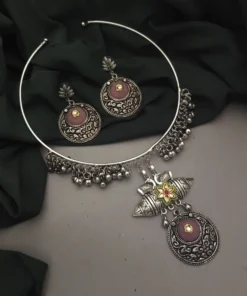
 Pink Kundan Hasli Necklace Earring Set: Stylish Wedding & Party Wear
₹2,899.00
Pink Kundan Hasli Necklace Earring Set: Stylish Wedding & Party Wear
₹2,899.00 -
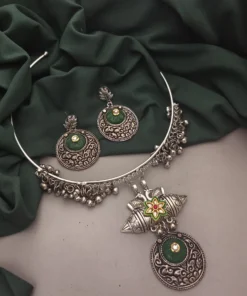
Green Oxidized Kundan Hasli Set - Traditional Women's Jewelry
Original price was: ₹2,899.00.₹749.00Current price is: ₹749.00.
-
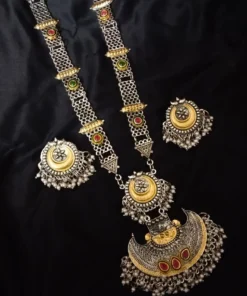
Exquisite Oxidised Kundan Necklace Set
Original price was: ₹2,899.00.₹749.00Current price is: ₹749.00.
-
Exquisite Kundan Choker Earring Set: Traditional Elegance
Original price was: ₹2,149.00.₹499.00Current price is: ₹499.00.

What Do the Colours in This heritage craft Symbolise?
Every colour in this art form carries deep cultural and symbolic meaning. Indian artisans choose colours intentionally, not just for beauty but for the sentiments they represent. Understanding this symbolism adds a layer of meaning to every piece.
- Red (Lal): Symbolises love, passion, and fertility. Red is the most auspicious colour in Indian culture and is heavily featured in bridal these painted ornaments. It represents Goddess Lakshmi and is considered essential for married women.
- Green (Hara): Represents spring, new beginnings, nature, and prosperity. Green such colourful ornaments is associated with growth and is popular for festive and wedding occasions.
- White (Safed): Stands for peace, purity, and spirituality. White enamel provides a cooling contrast in multi-coloured Rajasthani enamel pieces designs.
- Blue (Neela): Symbolises the vast sky, truth, and divine connection. Blue is one of the most technically challenging colours to achieve in these enamelled pieces because it requires precise temperature control during firing.
- Pink (Gulabi): Represents grace, femininity, and tenderness. Pink is the signature colour of Varanasi meenakari and features prominently in bridal sets.
- Yellow/Gold (Peela): Symbolises the sun, energy, and happiness. Yellow enamel on gold creates a warm, regal effect in colourful artisan pieces.
Meenakari vs Kundan vs Polki Jewellery: What Is the Difference?
Shoppers often confuse this enamel craft with kundan and polki jewellery. While these three traditions frequently overlap (many pieces combine multiple techniques), they are fundamentally different art forms. This comparison table clarifies the distinctions.
| Feature | This enamel craft | Kundan Jewellery | Polki Jewellery |
|---|---|---|---|
| Technique | Enamel (glass) fused to metal | Stones set in gold foil | Uncut diamonds in gold |
| Primary Material | Coloured glass enamel | Glass or semi-precious stones | Natural uncut diamonds |
| Price Range | ₹500–₹50,000 | ₹300–₹25,000 | ₹10,000–₹5,00,000+ |
| Origin | Persia via Mughal courts | Rajasthan (Jaipur) | Rajasthan/Gujarat |
| Aesthetic | Vibrant, colourful, artistic | Sparkling, regal | Rustic, antique luxury |
| Best Occasion | Weddings, festivals, parties | Weddings, formal events | Grand weddings, heirloom |
| Durability | High (enamel is permanent) | Moderate (stones can loosen) | High (natural diamonds) |
| Combination | Often on reverse of kundan | Often paired with meenakari | Standalone or with meenakari |
Interestingly, the most prized traditional Rajasthani jewellery combines kundan on the front with enamel-work pieces on the back. This dual-sided craftsmanship is called “do-ranga” (two-coloured) and represents the pinnacle of Indian jewellery artistry.
How to Style This heritage craft for Different Occasions?
This art form is incredibly versatile despite its traditional roots. With the right styling approach, these vibrant pieces work for everything from grand weddings to casual brunches. Here are expert styling tips for different occasions.
Festive and Puja Occasions
For Diwali, Navratri, and puja ceremonies, pair a statement such colourful ornaments necklace with matching jhumkas. Choose pieces with red and green enamel to complement traditional silk sarees. A meenakari kada adds the perfect finishing touch to your festive look.
Casual Ethnic Wear
For everyday ethnic styling, select a single statement piece of such colourful ornaments rather than a full set. A pair of meenakari earrings with a cotton kurta creates an effortlessly elegant look. Similarly, a single meenakari bangle stacked with plain gold or oxidised bangles adds bohemian charm.
Modern Indo-Western Looks
This art form pairs surprisingly well with Indo-Western outfits. Try a delicate meenakari pendant with a solid-colour blouse and palazzo pants. Alternatively, wear meenakari rings as conversation starters with Western formal wear. The key is to let one these vibrant ornaments piece be the focal point.
-
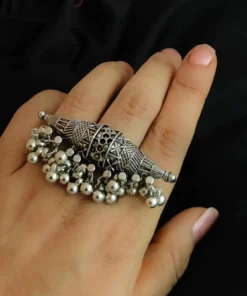
Ethnic Oxidised Adjustable Finger Ring - Unique Designs For Women
Original price was: ₹1,799.00.₹349.00Current price is: ₹349.00.
-
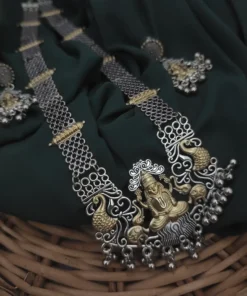
0xidised Two Tone Temple Necklace Earrings Set
Original price was: ₹2,149.00.₹749.00Current price is: ₹749.00.
-
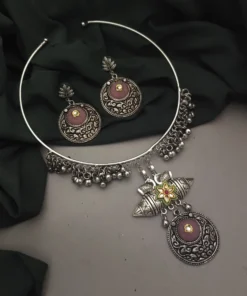
Pink Ethnic Hasli Necklace & Earring Set - Traditional Indian Style
Original price was: ₹2,349.00.₹749.00Current price is: ₹749.00.
-
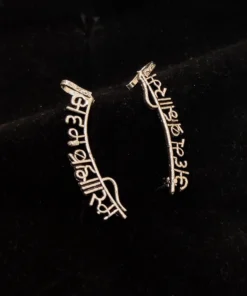
Aham Brahmasmi Oxidised Cute Earcuffs
Original price was: ₹1,799.00.₹349.00Current price is: ₹349.00.
What Does a Bridal These enamelled pieces Set Include?
This heritage craft holds a special place in Indian bridal traditions, particularly in Rajasthani, Marwari, and North Indian weddings. A complete bridal this traditional craft set typically includes the following pieces.
- Meenakari Necklace (Rani Haar or Aad): A multi-layered statement necklace with vibrant enamel work, often featuring kundan on the front.
- Meenakari Jhumkas: Large, ornate jhumka earrings with bell-shaped drops decorated in colourful enamel.
- Meenakari Maang Tikka: A forehead ornament (maangtikka) featuring a central pendant with meenakari work.
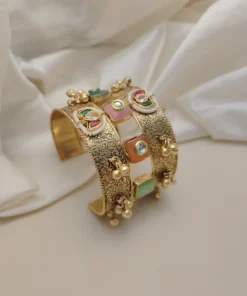
- Meenakari Bangles or Kadas: Sets of enamel-decorated bangles in matching colours.
- Meenakari Haathphool: Hand ornaments connecting a ring to a bracelet via decorative chains.
- Meenakari Bajuband: Armlet worn on the upper arm, a traditional component of Rajasthani bridal jewellery.
Bridal this enamel craft sets in red and green enamel are the most popular choice, as these colours are considered the most auspicious for Indian brides. Modern brides also experiment with pastel pink and turquoise enamelled adornments for contemporary wedding themes.
-
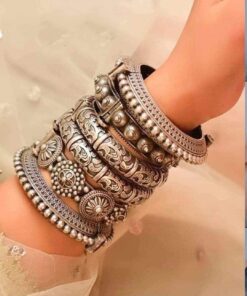
Chic Silver Armlet Combo Set - Trendy 6 Pc Bangles For Women
Original price was: ₹14,349.00.₹2,699.00Current price is: ₹2,699.00.
-
Ziana Semi Precious Stones Adjustable Bracelet Kada
Original price was: ₹6,249.00.₹1,699.00Current price is: ₹1,699.00.
-
Tanisha Oxidized Silver Replica Dual Tone Bangles Stack
Original price was: ₹7,999.00.₹2,699.00Current price is: ₹2,699.00.
-
Stylish Two Tone Bangles Set: Silver Replica Armlets Combo
Original price was: ₹14,349.00.₹2,699.00Current price is: ₹2,699.00.


How to Care for and Maintain Enamel-work pieces?
This heritage craft demands gentler care than most other jewellery types because enamel — while permanent — is essentially glass. It can chip, crack, or lose its lustre if handled roughly. Follow these essential care guidelines to preserve your such enamel designs for generations.
Storage Guidelines for This art form
- Wrap each piece individually in soft cotton cloth or tissue paper before storing.
- Keep such colourful ornaments in a padded jewellery box with separate compartments.
- Avoid storing pieces on top of each other — enamel surfaces can chip from pressure.
- Store away from direct sunlight, which can cause some enamel colours to fade over decades.
Cleaning Tips for These enamelled pieces
- Wipe gently with a soft, slightly damp cloth to remove dust and oils.
- Never use ultrasonic cleaners — the vibrations can crack enamel surfaces.
- Avoid chemical cleaners, silver polish, and abrasive materials on this enamel craft.
- For stubborn dirt in crevices, use a soft-bristle brush (like a baby toothbrush) with lukewarm water.
- Dry completely before storing to prevent moisture damage to the metal base.
What to Avoid When Wearing Meenakari Jewellery
- Avoid sudden temperature changes: Rapid heating or cooling can cause enamel to crack. Do not wear meenakari jewellery in saunas or extremely cold environments.
- Avoid chemical exposure: Perfume, hairspray, chlorine, and household cleaners can damage enamel. Apply cosmetics before wearing your such enamel designs.
- Handle with care: Do not drop meenakari jewellery on hard surfaces — the enamel can chip on impact.
How to Spot Authentic Meenakari Jewellery?
As meenakari jewellery grows in popularity, the market has seen an influx of low-quality imitations. Knowing how to identify authentic pieces protects your investment and ensures you get genuine craftsmanship. Look for these key indicators.
- Surface smoothness: Authentic Jaipur enamel work has a glass-smooth enamel surface when you run your finger across it. Printed or painted imitations feel rough or textured.
- Colour depth: Real enamel has a depth and translucency that painted surfaces cannot replicate. Hold the piece up to light — genuine meenakari jewellery shows colour depth, while fakes look flat.
- Weight: Authentic pieces have noticeable weight from the metal base and glass enamel. Extremely lightweight pieces may use plastic or resin instead of real enamel.
- Backside quality: On premium these painted ornaments, the reverse side also shows detailed work — often kundan setting or complementary enamel patterns. Mass-produced fakes have plain, rough backs.
- Price indicator: Genuine handcrafted meenakari jewellery on gold starts at ₹5,000+. Fashion versions on base metal start at ₹300+. Anything significantly cheaper is likely a printed imitation.
-
Red Stone Oxidised Bangles: Affordable Elegance For Women
Price range: ₹599.00 through ₹999.00
-
Elegant Premium Stone Hasli Necklace & Earring Set
Original price was: ₹2,149.00.₹749.00Current price is: ₹749.00.
-
Ziana Semi Precious Stones Adjustable Bracelet Kada
Original price was: ₹6,249.00.₹1,699.00Current price is: ₹1,699.00.
-
Abhiprithi Traditional Oxidized Silver Elephant Hasli Necklace & Earrings Set
Original price was: ₹1,799.00.₹749.00Current price is: ₹749.00.
Where to Buy Meenakari Jewellery Online in India?
Finding authentic meenakari jewellery requires choosing trusted sellers who source from genuine artisans. Here is where to find the best this ancient art both online and offline.
Glamaya.com offers a curated collection of traditional and fashion jewellery inspired by meenakari, kundan, and Rajasthani craft traditions. Our necklace, earring, bangle, ring, and combo set collections feature designs that capture the vibrant spirit of colourful artisan pieces at accessible price points. With free shipping, quality assurance, and easy returns, Glamaya makes traditional Indian jewellery accessible to everyone.
For high-end gold meenakari jewellery, visit renowned Jaipur jewellers in Johari Bazaar — the historic jewellery market in the heart of the Pink City. Other trusted online platforms include Tanishq, Amrapali, and specialised artisan marketplaces that support traditional Jaipur enamel work craftsmen.
Frequently Asked Questions About Meenakari Jewellery
1. What is meenakari jewellery made of?
Meenakari jewellery is made by fusing coloured glass enamel onto metal surfaces — typically gold, silver, or base metals like brass and copper. The enamel is created from powdered glass mixed with metal oxides that produce different colours when fired at high temperatures between 700°C and 850°C.
2. Is meenakari jewellery expensive?
The price of these enamelled pieces varies widely. Fashion-grade pieces on base metal start at ₹300–₹2,000. Silver these painted ornaments ranges from ₹1,000–₹15,000. Gold meenakari with genuine enamel starts at ₹5,000 and can exceed ₹50,000 for elaborate bridal sets. The cost reflects the hours of skilled handwork involved.
3. Can meenakari jewellery be worn daily?
Lightweight meenakari jewellery like small earrings or thin bangles can be worn daily with care. However, elaborate Rajasthani enamel pieces sets with delicate enamel work are better suited for special occasions. Avoid wearing meenakari pieces during physical activities, household chores, or water-related tasks.
4. How do you clean meenakari jewellery at home?
Clean such colourful ornaments by wiping gently with a soft, slightly damp cloth. For stubborn dirt, use a baby toothbrush with lukewarm water. Never use ultrasonic cleaners, chemical solutions, or abrasive materials. Always dry your colourful artisan pieces completely before storing it.
5. What is the difference between meenakari jewellery and kundan jewellery?
Meenakari jewellery uses coloured enamel (glass) fused to metal, while kundan jewellery uses stones set in gold foil. Many traditional pieces combine both — kundan on the front and this enamel craft on the back. The techniques complement each other beautifully in Rajasthani bridal sets.
6. Where does meenakari jewellery originate from?
This art form originated in Persia and was introduced to India during the Mughal period by Emperor Shah Jahan. It migrated from Lahore to Jaipur, Rajasthan, where it flourished and developed into the distinctive Indian art form we know today.
7. Can meenakari enamel chip or crack?
Yes, since enamel is essentially glass, it can chip or crack if dropped on hard surfaces or exposed to sudden temperature changes. Handle meenakari jewellery with care, and avoid wearing it during physical activities. However, with proper handling, meenakari enamel is quite durable and can last generations.
8. What colours are used in meenakari jewellery?
Traditional this heritage craft uses red, green, white, blue, and pink as primary colours. Each colour carries cultural symbolism — red for love, green for prosperity, white for peace, blue for truth, and pink for femininity. Modern these enamelled pieces also incorporates turquoise, purple, and orange enamels.
9. Is meenakari jewellery suitable for bridal wear?
Absolutely — meenakari jewellery is among the most popular choices for Indian brides, especially in Rajasthani, Marwari, and North Indian weddings. Bridal meenakari sets in red and green enamel with kundan work are considered highly auspicious and are often passed down as family heirlooms.
10. How can I tell if meenakari jewellery is authentic?
Authentic meenakari jewellery has a glass-smooth enamel surface, noticeable weight, colour depth when held to light, and detailed workmanship on both front and back. Printed or painted imitations feel rough, look flat, and have unfinished backs. Buy from trusted sellers to ensure you get genuine meenakari jewellery.