
Anti-Tarnish Earrings: What They Are & How to Choose the Best Pair (2026)
Key Takeaways
- Anti tarnish earrings feature a protective coating that prevents oxidation, discolouration, and corrosion caused by moisture, sweat, and chemicals.
- Common anti-tarnish coatings include PVD, rhodium plating, e-coating, and lacquer — each with different durability levels.
- With proper care, anti tarnish earrings retain their shine for 1–3 years, though no coating lasts forever.
- Oxidised earrings embrace tarnish as a design feature — making them virtually maintenance-free.
- Store anti tarnish earrings in airtight pouches, avoid perfume contact, and clean with a soft cloth to maximise longevity.
anti tarnish earrings have become one of the most searched jewellery categories in India — and for good reason. Nobody wants to buy a beautiful pair of earrings only to watch them turn black, green, or dull within weeks. In fact, tarnishing is the number-one complaint among fashion jewellery buyers across the country. Fortunately, these protected earrings solve this problem with advanced protective coatings that keep your jewellery looking fresh, shiny, and new for months or even years. In this comprehensive guide, you will learn exactly what these protected earrings are, how they work, the different types available, and how to care for them properly. Whether you prefer jhumkas, studs, or hoops, this guide covers everything you need to know.
What Are Such coated pieces?
Tarnish-free designs are earrings treated with a protective coating or finish that resists oxidation and discolouration. In simple terms, these earrings stay shiny and beautiful for much longer than regular fashion jewellery. The coating acts as a barrier between the metal surface and environmental elements like air, moisture, and sweat.
Most fashion earrings in India use base metals such as brass, copper, or zinc alloy. These metals react with oxygen and sulphur compounds in the air, causing them to darken or develop a greenish patina. Tarnish-resistant studs counter this reaction through specialised surface treatments. As a result, you get the look of premium jewellery without the premium price — and without rapid discolouration.
Additionally, these durable accessories are often hypoallergenic. Since the coating creates a barrier between your skin and the base metal, they cause fewer allergic reactions. This makes them an excellent choice for people with sensitive skin or nickel allergies.
What Causes Tarnishing in Earrings?
Before understanding anti-tarnish technology, it helps to know why earrings tarnish in the first place. Tarnishing is a chemical reaction — specifically, a form of corrosion that occurs when metals interact with environmental elements. Here are the four primary culprits behind tarnished jewellery.
How Does Oxidation Affect Earrings?
When metals like copper and brass contact oxygen, they form metal oxides on the surface. This process, called oxidation, creates a dull, darkened layer. Silver jewellery tarnishes when it reacts with hydrogen sulphide in the air. According to the Bureau of Indian Standards (BIS), jewellery metals must meet specific purity and durability benchmarks to qualify for hallmarking. Even gold-plated pieces tarnish once the thin gold layer wears through.
Does Sweat Cause Coated ear accessories to Degrade?
Your body produces sweat containing salts, acids, and ammonia — all of which accelerate tarnishing. In hot and humid Indian climates, this factor is especially significant. Consequently, earrings worn during workouts or long summer days tarnish considerably faster. Coated ear accessories are engineered to withstand daily exposure, though even they have limits under extreme conditions.
How Do Moisture and Humidity Damage Jewellery?
India monsoon season is particularly harsh on jewellery. High humidity creates a moisture-rich environment that speeds up oxidation. Moreover, wearing earrings while bathing, swimming, or washing your face introduces direct water contact. This further damages unprotected metals and dissolves thin plating layers rapidly.
Can Perfume and Cosmetics Cause Tarnishing?
Hairspray, perfume, moisturisers, sunscreen, and makeup contain chemicals that react with metal surfaces. When you spray perfume near your ears before putting on earrings, these chemicals accelerate tarnishing. Therefore, jewellery experts always recommend putting on your these protected studs after applying all cosmetics. This simple habit extends the life of any pair significantly.
How Does Anti-Tarnish Coating Work on Earrings?
Anti-tarnish coating creates a physical or chemical barrier on the metal surface. This barrier prevents contact between the base metal and corrosive elements. Think of it as an invisible shield for your earrings. Several coating technologies exist, each offering different durability levels and price points.
PVD (Physical Vapour Deposition) Coating
PVD coating is one of the most advanced anti-tarnish technologies today. In this process, a thin layer of titanium nitride is deposited onto the earring surface inside a vacuum chamber. The result is an incredibly hard, scratch-resistant, and tarnish-proof finish. PVD-coated tarnish-proof designs can last 3–5 years without losing shine. However, they cost more because of specialised manufacturing equipment.
Rhodium Plating for These durable accessories
Rhodium is a precious metal from the platinum family. When applied as a thin layer over silver or base-metal earrings, it creates a bright, mirror-like finish that resists tarnishing effectively. Rhodium-plated these long-lasting earrings typically maintain their appearance for 1–3 years with regular wear. Many high-end fashion brands prefer this coating for its brilliant white finish.
E-Coating (Electrophoretic Coating)
E-coating involves submerging the earring in an electrically charged paint solution. The electric current ensures a uniform coating across the entire surface — including hard-to-reach areas like clasps and hooks. This method provides excellent corrosion resistance at an affordable price. As a result, many Indian jewellery brands use e-coating for mid-range treated ear accessories.
Lacquer and Clear-Coat Finish
Lacquer coating is the most basic and affordable anti-tarnish method. A transparent protective layer seals out air and moisture from the earring surface. While effective initially, lacquer wears off faster — typically lasting 3–12 months. Nevertheless, it remains popular because of its low cost and ease of application to tarnish-free designs.
What Types of Corrosion-resistant pieces Can You Buy?
Protective-coated earrings come in various materials and styles. Understanding these categories helps you choose the right pair for your budget and lifestyle. Here is a breakdown of the most popular types available in India today.
Gold-Plated Such coated pieces
Gold-plated such durable designs feature a base metal coated first with gold and then with an anti-tarnish sealant. They offer the luxurious look of gold at a fraction of the cost. Furthermore, the additional protective layer ensures the gold plating lasts longer than standard gold-plated jewellery. These work beautifully for festive occasions, office wear, and Indian weddings.
Rhodium-Plated These resistant earrings
Rhodium plating gives these protected earrings a bright, silvery-white appearance similar to white gold or platinum. They resist scratches and tarnishing exceptionally well. In addition, they pair beautifully with Western outfits, Indo-Western ensembles, and formal attire. Since rhodium is naturally hypoallergenic, these earrings remain safe for sensitive ears.
Stainless-Steel Tarnish-free studs
Stainless steel resists rust and tarnishing inherently because of its chromium content. Tarnish-resistant studs made from surgical-grade stainless steel (316L) offer outstanding durability. They withstand sweat, water, and everyday chemicals without losing their finish. Moreover, stainless-steel earrings are very affordable — perfect for daily wear and gym sessions.
Oxidised Tarnish-resistant studs
Here is an interesting category. Oxidised earrings deliberately use controlled tarnishing to create a vintage, antique look. The blackened finish is the design itself. Oxidised earrings qualify as these protected earrings because the oxidation process has already been completed intentionally — they will not darken further. This makes them extremely low-maintenance and perfect for everyday styling.
-
 Sparkling Monalisa Stone Silver Lookalike Stud Earring - Affordable Unique Style
Original price was: ₹2,149.00.₹449.00Current price is: ₹449.00.
Sparkling Monalisa Stone Silver Lookalike Stud Earring - Affordable Unique Style
Original price was: ₹2,149.00.₹449.00Current price is: ₹449.00. -
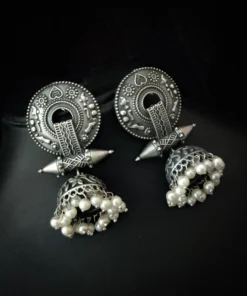
Exquisite Silver Antique Jhumka Earrings
Original price was: ₹2,349.00.₹499.00Current price is: ₹499.00.
-
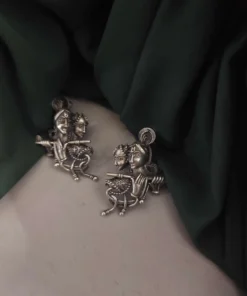
Silver Radha Krishna Stud Earrings: Traditional Indian Women's Jewelry
Original price was: ₹2,149.00.₹499.00Current price is: ₹499.00.
-
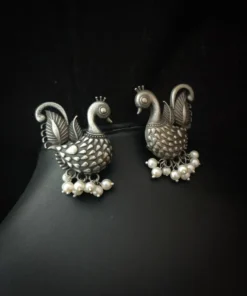
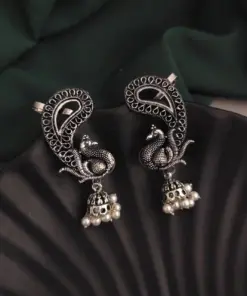
Silver Lookalike Peacock Stud Earrings
Original price was: ₹2,349.00.₹449.00Current price is: ₹449.00.

Such coated pieces vs Regular Earrings: Which Should You Buy?
Many shoppers wonder whether coated ear accessories justify the slightly higher price. This comparison table highlights the key differences. In most cases, tarnish-resistant studs deliver significantly better long-term value.
| Feature | Tarnish-free designs | Regular Fashion Earrings |
|---|---|---|
| Tarnish Resistance | High — 1–5 years | Low — weeks to months |
| Price Range | ₹200–₹2,000 | ₹50–₹800 |
| Skin Safety | Usually hypoallergenic | May cause reactions |
| Maintenance | Low — occasional wiping | High — frequent polishing |
| Durability | Excellent | Moderate |
| Best For | Daily wear, gifting, humid climates | Occasional wear, budget buys |
| Colour Retention | Consistent for years | Fades or darkens quickly |
| Water Resistance | Good to excellent | Poor |
As the table shows, these durable accessories deliver better value over time. While the upfront cost is slightly higher, you save money by not replacing tarnished pairs every few months. Therefore, experts recommend investing in anti-tarnish options for pieces you wear regularly.
How to Choose the Right Pair of These durable accessories?
Choosing the perfect pair of coated ear accessories involves more than picking a pretty design. Several factors determine performance and longevity. Follow this step-by-step checklist to make the best purchase decision.
- Check the coating type: PVD and rhodium plating offer the best durability. E-coating provides good mid-range protection. Lacquer suits occasional-wear these protected studs only.
- Consider your skin sensitivity: Prioritise rhodium-plated or stainless-steel options if you have sensitive skin. Both are hypoallergenic and safe for prolonged contact.
- Match to your lifestyle: Active lifestyles demand stronger coatings. Choose PVD or stainless steel if you exercise regularly or live in humid regions.
- Evaluate the design: Tarnish-free designs are available in every style — from traditional jhumkas to danglers and ear cuffs.
- Read reviews: Look for customer feedback about how long the finish lasts. Real-world experiences reveal more than marketing claims.
- Buy from trusted sellers: Reputable brands like Glamaya clearly mention coating types and offer quality guarantees on their tarnish-proof designs.
-
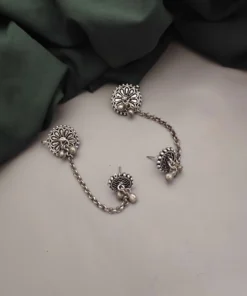
Stylish Oxidised Chain Earclips Earrings - Trendy Designs For Women
Original price was: ₹2,149.00.₹499.00Current price is: ₹499.00.
-
Glamorous Oxidised Jhumki Bracelet For Women
Original price was: ₹1,799.00.₹499.00Current price is: ₹499.00.
-
Sneha Oxidized Two Tone Earcuff Earrings
Original price was: ₹2,149.00.₹499.00Current price is: ₹499.00.
-
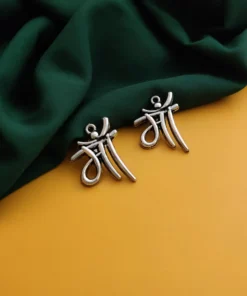
Exquisite Gold & Silver Maa Stud Earrings
Original price was: ₹1,799.00.₹349.00Current price is: ₹349.00.


Do These long-lasting earrings Last Forever?
No — and any brand claiming otherwise is misleading you. Such coated pieces last significantly longer than regular fashion earrings, but no coating is permanent. Here is an honest breakdown of what you can realistically expect from different coating types.
- PVD coating: 3–5 years with daily wear
- Rhodium plating: 1–3 years with regular wear
- E-coating: 6–18 months with regular wear
- Lacquer: 3–12 months depending on exposure
Several factors influence how long your treated ear accessories actually last. Frequency of wear, exposure to water and chemicals, storage conditions, and your personal body chemistry all play a role. For instance, someone who sweats heavily may find their coating degrades faster than someone with drier skin. Similarly, these protected earrings stored in airtight pouches last longer than those left exposed on a dresser.
The good news is that even after the coating wears off, the earrings themselves remain intact. You can often have them re-plated or re-coated by a local jeweller at a fraction of the original cost. This extends the usable life of your favourite corrosion-resistant pieces by several more years.
How to Care for These protected earrings?
Proper care maximises the lifespan of your protective-coated earrings. While these earrings are more resilient than regular jewellery, they still benefit from gentle handling and smart storage. Follow these do and dont guidelines to keep your pairs looking brand-new.
Storage Tips for Such durable designs
- Store each pair in a separate airtight pouch or zip-lock bag to minimise air exposure.
- Add a small silica gel packet to your jewellery box to absorb excess moisture.
- Keep tarnish-resistant studs away from direct sunlight and heat sources.
- Use a soft-lined jewellery box with individual compartments to prevent scratching.
Cleaning Your These resistant earrings
- Wipe with a soft, dry microfibre cloth after each use to remove sweat and oils.
- For deeper cleaning, use lukewarm water with a tiny drop of mild dish soap.
- Never use abrasive cleaners, toothpaste, or baking soda on coated earrings — these can scratch the protective layer.
- Pat dry immediately with a soft cloth. Do not air-dry, as water spots can form.
Everyday Habits That Protect Tarnish-free studs
- Put earrings on last: Apply perfume, hairspray, and makeup before wearing your anti tarnish earrings.
- Remove before water activities: Take earrings off before bathing, swimming, or washing dishes.
- Avoid sleeping in them: Friction against pillows accelerates coating wear.
- According to Good Housekeeping, removing jewellery before bed can extend its life by up to 40%.
-
Sparkling Monalisa Stone Silver Lookalike Stud Earring - Affordable Unique Style
Original price was: ₹2,149.00.₹449.00Current price is: ₹449.00.
-
KALYANI Oxidised Earcuff Earrings
Original price was: ₹1,799.00.₹499.00Current price is: ₹499.00.
-
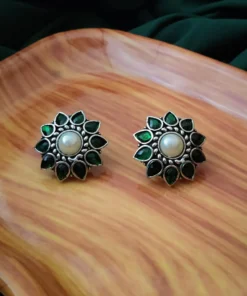
Green Pearl Stone Stud Earrings: Elegant & Trendy Women's Jewelry
Original price was: ₹1,799.00.₹349.00Current price is: ₹349.00.
-
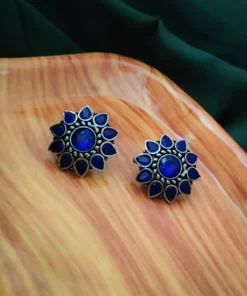
Blue Stone Stud Earrings: Trendy & Fashionable Accessory
Original price was: ₹1,799.00.₹349.00Current price is: ₹349.00.
Are Oxidised Earrings Considered Tarnish-resistant studs?
This is a question Glamaya customers ask frequently — and the answer is fascinating. Oxidised earrings occupy a unique space in the these protected earrings conversation. Instead of fighting tarnish, oxidised jewellery embraces it as a deliberate design choice.
During the manufacturing process, base metals (usually brass or copper alloy) are exposed to controlled chemical solutions that accelerate oxidation. This creates the signature dark, antique finish that looks stunning with Indian ethnic wear. Since the metal has already undergone the tarnishing process, it will not tarnish further under normal conditions. In this sense, oxidised earrings are naturally anti-tarnish.
However, there is an important caveat. The darkened patina on oxidised earrings can lighten or wear off in spots with heavy use or chemical exposure. Fortunately, restoring the finish is easy — a light application of liver of sulphur solution can re-darken the surface at home. Overall, if you want low-maintenance anti tarnish earrings with a bohemian, ethnic, or vintage aesthetic, oxidised earrings are an outstanding choice.
Glamaya specialises in high-quality oxidised jewellery, and our earrings collection features hundreds of designs — from delicate studs to statement jhumkas and combo sets.
How to Fix Tarnished Earrings at Home?
Even the best such coated pieces may eventually show signs of wear. Before discarding a favourite pair, try these effective home remedies. Many tarnished earrings can be restored to near-original condition with household items.
Method 1: Baking Soda Paste (For Uncoated Metal Earrings)
- Mix 2 tablespoons of baking soda with 1 tablespoon of water to form a thick paste.
- Apply the paste gently to the tarnished areas using a soft cloth or cotton bud.
- Rub in small circular motions for 30–60 seconds.
- Rinse with lukewarm water and pat dry immediately.
Important: Do not use this method on coated tarnish-free designs, as baking soda can scratch protective layers.
Method 2: White Vinegar Soak (For Brass and Copper Earrings)
- Soak the tarnished earrings in white vinegar for 15–20 minutes.
- Remove and scrub gently with a soft toothbrush.
- Rinse thoroughly with clean water.
- Dry completely before storing.
Method 3: Aluminium Foil Method (For Silver Earrings)
- Line a bowl with aluminium foil, shiny side up.
- Place your tarnished silver earrings on the foil.
- Sprinkle 1 tablespoon each of baking soda and salt over the earrings.
- Pour boiling water over them and let sit for 5 minutes.
- Remove, rinse, and dry with a soft cloth.
These methods work well for uncoated or lightly tarnished earrings. However, for anti tarnish earrings with damaged coatings, professional re-plating is the recommended solution.
Where to Buy in India?
Finding high-quality these durable accessories in India is easier than ever. Several online and offline options exist, but not all sellers offer the same level of quality or transparency. Here is where to look for the best such coated pieces.
Glamaya (glamaya.com) is one of India top-rated online stores for fashion and oxidised jewellery. Every pair in our earrings collection features durable coatings and detailed product descriptions. We offer free shipping, easy returns, and a wide range of styles — from lightweight studs to bold hoops and traditional jhumkas. Our customers consistently praise the longevity and shine of Glamaya coated ear accessories.
Other options include Amazon India, Flipkart, and local jewellery markets. However, always verify the coating type and read customer reviews before purchasing. Unbranded or unverified sellers often use low-quality lacquer coatings that wear off within weeks — defeating the entire purpose of buying anti tarnish earrings.
-
Trendy Lightweight Oxidised Stud Earrings: Affordable Style For Women
Original price was: ₹1,799.00.₹349.00Current price is: ₹349.00.
-
Stylish Lightweight Chandbali Earrings With Pearl Detail
Original price was: ₹2,149.00.₹449.00Current price is: ₹449.00.
-
Stylish Oxidised Mirror Jhumka Earrings: Lightweight & Trendy
Original price was: ₹2,149.00.₹449.00Current price is: ₹449.00.
-
Trendy Oxidised Lightweight Daily Earring:affordable & Stylish
Original price was: ₹1,799.00.₹349.00Current price is: ₹349.00.

Frequently Asked Questions About
1. What does anti tarnish mean in earrings?
Anti tarnish means the earrings have a protective coating that prevents oxidation and discolouration. This coating acts as a barrier against air, moisture, sweat, and chemicals. As a result, these protected studs maintain their shine and colour for months or years longer than uncoated jewellery.
2. Are anti tarnish earrings waterproof?
Most tarnish-proof designs are water-resistant, not fully waterproof. They can handle occasional splash exposure and sweat. However, prolonged submersion in water — such as swimming or bathing — can gradually weaken the protective coating. Therefore, remove your tarnish-free designs before water activities for best results.
3. How long do anti tarnish earrings last?
The lifespan depends on the coating type and usage. PVD-coated anti tarnish earrings last 3–5 years. Rhodium-plated versions last 1–3 years. E-coated pairs last 6–18 months. Lacquer-coated earrings typically last 3–12 months. Proper care and storage extend these timelines significantly.
4. Can I wear anti tarnish earrings every day?
Yes, these long-lasting earrings are specifically designed for daily wear. In fact, they are the best choice for everyday jewellery because they resist the effects of regular exposure to sweat, air, and cosmetics. Choose PVD or stainless-steel options for maximum daily-wear durability.
5. Are anti tarnish earrings safe for sensitive ears?
Most treated ear accessories are hypoallergenic because the coating prevents direct contact between the base metal and your skin. Rhodium-plated and stainless-steel these durable accessories are especially safe for people with nickel allergies or sensitive skin.
6. What is the difference between anti tarnish earrings and gold-plated earrings?
Gold-plated earrings have a thin layer of gold over a base metal but lack additional tarnish protection. Anti tarnish earrings include an extra protective coating — either over gold plating or directly on the base metal. This additional layer significantly extends shine and prevents discolouration that regular gold-plated pieces experience.
7. Do anti tarnish earrings turn green?
No — when the coating is intact, corrosion-resistant pieces will not turn green. The green discolouration occurs when copper in the base metal reacts with skin and moisture. The anti-tarnish coating prevents this reaction entirely. Only after the coating wears off completely would green marks become possible.
8. How should I store anti tarnish earrings?
Store each pair in a separate airtight pouch or zip-lock bag. Add a silica gel packet to absorb moisture. Keep them away from direct sunlight and heat. Avoid storing protective-coated earrings in bathroom cabinets where humidity levels are high.
9. Can tarnished anti tarnish earrings be repaired?
Yes, in most cases. If the base metal is in good condition, a jeweller can re-plate or re-coat the earrings. This costs significantly less than buying a new pair. For minor tarnishing, home cleaning methods using mild soap and a soft cloth often restore the shine of anti tarnish earrings effectively.
10. Where can I buy the best anti tarnish earrings online in India?
Glamaya.com is one of the top-rated destinations for anti tarnish earrings in India. We offer a wide selection of styles — jhumkas, studs, hoops, danglers, and ear cuffs — with durable coatings and transparent product descriptions. Other reliable options include Amazon India and Flipkart, though always verify coating details before purchasing.