
What is a Hasli Necklace? Traditional Jewelry Explained
Aug
What is a Hasli Necklace?
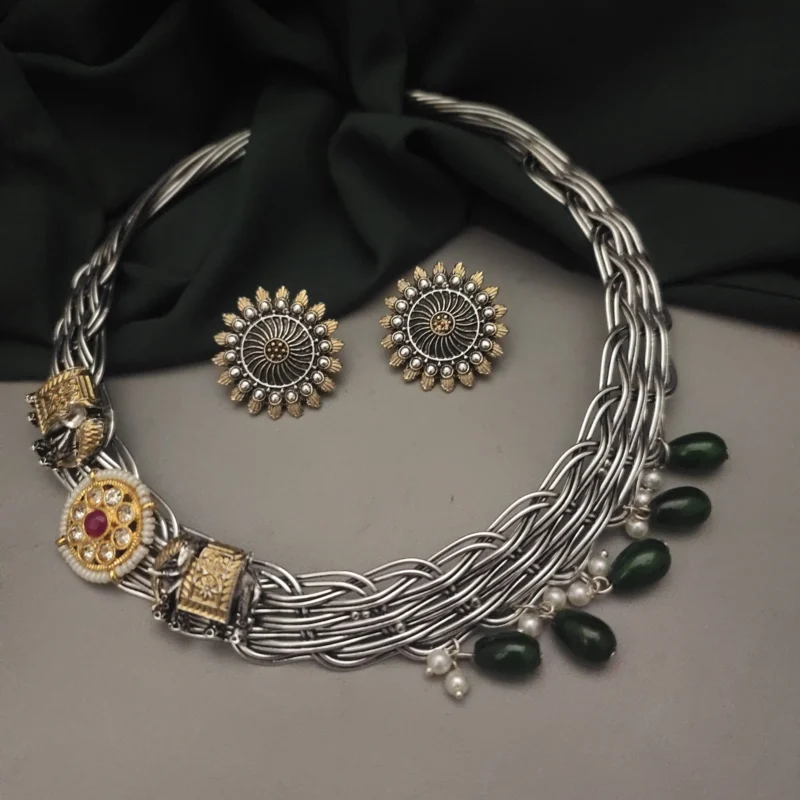
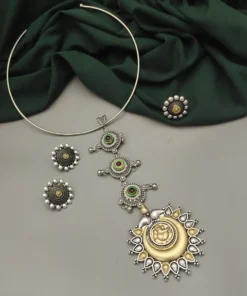
The Hasli Necklace represents more than just a fashion accessory; it embodies a piece of history. Rooted in India’s rich traditions, the Hasli has adorned women for centuries as a symbol of elegance and grace. This ethnic choker necklace typically sits close to the neck, creating a bold yet sophisticated look. The word “Hasli” translates to “collarbone,” reflecting the necklace’s snug fit around the neck, which perfectly accentuates the collarbone.
Artisans traditionally crafted the Hasli Necklaces from precious metals like silver or gold, and families often passed it down through generations as a cherished heirloom. Today, while traditional designs remain popular, contemporary versions blend tradition with modern trends.
Unique Features of a Hasli Necklace
The Hasli Necklace stands out for its distinct circular design, often made from a single piece of metal. This design element creates a seamless, fluid look that’s both striking and versatile. Skilled artisans shape the metal into a perfect loop, ensuring durability and a flawless finish.
At Glamaya, we craft our Hasli Necklaces with attention to detail, using high-quality materials that stand the test of time. Whether you prefer a minimalist style or one embellished with intricate designs, our collection offers something for everyone. Take advantage of our Buy 2 Get 1 FREE offer on items under ₹1000—now is the perfect time to add a Hasli Necklace to your collection!
How to Style a Hasli Necklace
The beauty of a Hasli Necklace lies in its versatility. It can effortlessly elevate both traditional and modern outfits. For a classic look, pair it with a saree or lehenga, letting the necklace be the statement piece. If you lean towards a contemporary style, try wearing it with a crisp white shirt or a chic black dress. The simplicity of the Hasli allows it to complement any outfit without overwhelming it.
Remember, Glamaya offers an extra 20% off on orders above ₹2500 with the coupon code “GLAM20OFF.” This is the perfect opportunity to purchase and explore other exquisite pieces to enhance your wardrobe.
Where to Buy Authentic Hasli Necklaces Online
When you’re looking to purchase a genuine Hasli Necklace, Glamaya is your go-to destination. We offer authentic traditional jewelry that resonates with quality and elegance. Shopping with us comes with several perks, including free shipping across India, easy returns, and a full refund for damaged items (just remember to record an unboxing video for proof).
Explore our complete hasli jewellery collection today and enjoy a seamless shopping experience. With amazing offers and exceptional customer service, Glamaya ensures you get the best value for your purchase.
Below are the top 10 recommendations for Hasli Necklaces from Glamaya
-
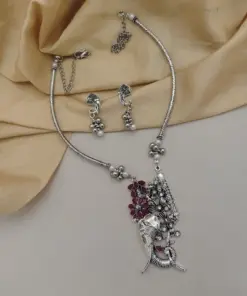
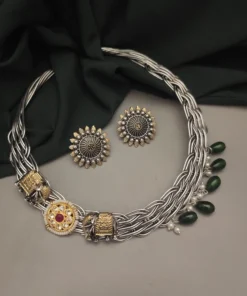
 Abhiprithi Traditional Oxidized Silver Elephant Hasli Necklace & Earrings Set
Original price was: ₹1,799.00.₹499.00Current price is: ₹499.00.
Abhiprithi Traditional Oxidized Silver Elephant Hasli Necklace & Earrings Set
Original price was: ₹1,799.00.₹499.00Current price is: ₹499.00. -
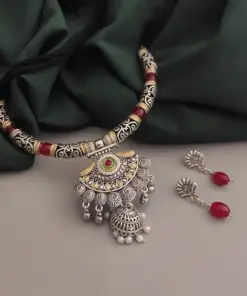
Lakshika Oxidised Hasli Necklace Set
Original price was: ₹2,150.00.₹499.00Current price is: ₹499.00.
-
ALSA Oxidised Hasli Necklace Earrings Set
Original price was: ₹1,799.00.₹699.00Current price is: ₹699.00.
-
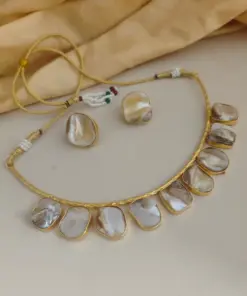
LEHER Gold Replica Uncut Pearl Hasli Set
Original price was: ₹1,499.00.₹699.00Current price is: ₹699.00.
-
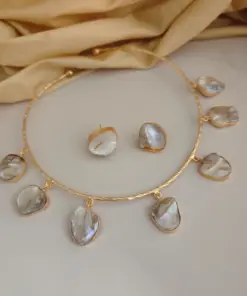
IRA Gold Replica Uncut Pearl Hasli Set
Original price was: ₹1,499.00.₹699.00Current price is: ₹699.00.
-
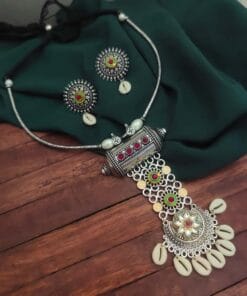
KAMYA Oxidized Hasil Necklace Earrings Set
Original price was: ₹1,450.00.₹599.00Current price is: ₹599.00.
-
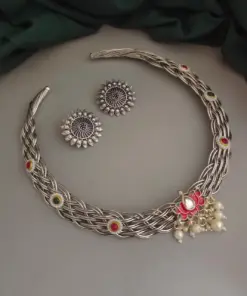
Mrida Oxidised Dual Tone Hasli Necklace Earring Set
Original price was: ₹2,899.00.₹649.00Current price is: ₹649.00.
-
Mishka Oxidised Hasli Necklace Earring Set
Original price was: ₹2,349.00.₹649.00Current price is: ₹649.00.
-
Elegant Hasli Choker Necklace Set with Elephant Design
Original price was: ₹2,899.00.₹699.00Current price is: ₹699.00.
-
Stunning Oxidised Tie Hasli Necklace Set
Original price was: ₹2,899.00.₹649.00Current price is: ₹649.00.


Conclusion
The Hasli Necklace is not just an accessory; it symbolizes timeless beauty and cultural heritage. Whether you want to add a touch of tradition to your outfit or seek a statement piece for special occasions, the Hasli Necklace is a perfect choice. Don’t miss out on the ongoing offers at Glamaya, including COD for orders below ₹3000 and ₹50 advance for COD above ₹3000. Shop now and embrace the elegance of traditional jewelry with Glamaya!
Types of Hasli Necklaces — A Regional and Style Guide
The hasli is not a single design — it is an entire family of rigid, collar-style necklaces that vary dramatically across Indian regions. Understanding these variations helps you choose the perfect hasli necklace for your personal style.
Rajasthani Hasli
Rajasthani haslis are characterised by bold, wide metal bands — often in silver or oxidised metal — featuring intricate tribal motifs, mirror work, and geometric engravings. Traditionally worn by Rajput women, they pair beautifully with Bandhani sarees and ghagra-cholis. The weight and width make a powerful statement, so keep other jewellery minimal when wearing one.
Kolhapuri Hasli (Thushi)
The Kolhapuri hasli — sometimes called a thushi in Maharashtra — is a tightly fitted gold or gold-plated collar at the base of the neck. It typically features bead-like or rope-twist patterns and is an essential part of Maharashtrian bridal jewellery, worn with the traditional Nauvari saree. Modern versions in oxidised silver bring this heritage design to everyday fashion.
Tribal and Afghani Hasli
Tribal haslis are chunky, often featuring uncut stones, coin motifs, and raw metalwork. Afghani-inspired designs include broader bands with turquoise or lapis lazuli accents. These pieces trend heavily in boho and fusion fashion — pair them with plain black kurtas, denim jackets, or solid-colour maxi dresses.
Oxidised Silver Hasli
The most versatile and affordable category. Oxidised silver haslis come in everything from minimalist smooth bands to ornate filigree designs. They are lightweight, tarnish-resistant, and pair with both Indian and Western outfits. This is the ideal starting point if you are new to hasli necklaces.
Hasli vs Choker — What Is the Difference?
Many people use the terms interchangeably, but there is a clear distinction. A hasli is a rigid, single-piece metal band that holds its shape without a clasp chain. It opens with a hinge or slight flex and sits firmly around the neck. A choker, by contrast, is a flexible, multi-element necklace — it can be fabric, beaded, chain-linked, or velvet — that wraps around the neck using a clasp or tie.
Think of it this way: every hasli sits at choker length, but not every choker is a hasli. A pearl choker, velvet choker, or thread choker is not a hasli. A solid metal collar necklace is. The hasli is defined by its rigidity and structure, not just its length.
How to Choose the Right Hasli Size
Getting the fit right is critical with a hasli because, unlike flexible necklaces, a rigid band that is too tight will be uncomfortable and one that is too loose will slide around awkwardly.
Measure your neck: Use a soft tape measure around the base of your neck where the hasli will sit. Add 1 to 1.5 cm for comfort — you should be able to fit one finger between the hasli and your skin.
Standard sizes: Most haslis come in inner diameters of 12 cm to 15 cm. Women with slender necks typically need 12–13 cm, average frames need 13–14 cm, and broader necks require 14–15 cm. If you are between sizes, always go up — a slightly loose hasli looks intentional, while a tight one looks restrictive.
Width matters too: Wider haslis (3+ cm band width) look best on longer necks where they will not crowd the jawline. If you have a shorter neck, choose a slimmer hasli (1–2 cm width) that does not overwhelm your proportions.
Occasions to Wear a Hasli
Weddings and festive events: A gold-plated or kundan hasli is a traditional choice for Indian weddings. Pair it with a silk saree or lehenga and matching jhumkas for a complete look.
Office and professional settings: A sleek, minimalist oxidised silver hasli adds quiet sophistication to formal wear. It works under collared shirts and with Western blazer outfits.
Casual outings: Boho and tribal haslis are perfect with jeans and kurtas, cotton dresses, or café outfits. The structured shape elevates even the simplest casual outfit.
College and campus: Lightweight oxidised haslis are trendy, affordable, and versatile enough for daily wear. They pair well with the kurti-jeans combination that dominates campus fashion.