
Nath for Wedding: Types, Significance & How to Choose the Perfect Bridal Nath (2026)
- A nath for wedding is one of the most significant bridal ornaments in Indian culture, symbolising marital blessings and feminine beauty.
- Types include nathni (small ring), bullak (large ring), septum nath, clip-on (non-pierced), and chain nath connected to maang tikka.
- Regional styles vary dramatically — Maharashtrian naths are large crescents, Rajasthani ones feature kundan, and South Indian styles are small studs.
- Face shape determines the best nath style: round faces suit vertical designs, while angular faces benefit from circular naths.
- Glamaya’s nose pin collection includes pierced and clip-on options at prices starting under ₹200.
Choosing the perfect nath for wedding is one of the most personal decisions a bride makes. This traditional nose ornament carries centuries of cultural meaning — from the Mughal courts where it gained popularity to modern Indian weddings where it remains an essential bridal accessory. Whether you prefer a large Maharashtrian crescent, a delicate Rajasthani kundan piece, or a clip-on design for comfort, the right nath for wedding ceremonies completes your bridal look with grace and tradition. This 2026 guide covers every aspect — types, significance, regional styles, face-shape selection, and the best online sources.
What Is a Nath?
A nath is a nose ring or nose ornament worn primarily by women in South Asian cultures. The word “nath” (Hindi: नथ) comes from the Sanskrit “nasta,” meaning nose. In its simplest form, a nath is a ring inserted through a piercing in the nostril. However, bridal naths are far more elaborate — featuring gemstones, pearls, chains, and intricate metalwork.
Furthermore, a bridal nath differs significantly from everyday nose rings. Bridal naths are larger, more ornate, and carry specific cultural symbolism. They typically connect to the ear or hair via a decorative chain, creating a dramatic visual line across the cheek. Additionally, many bridal naths incorporate pearls (moti), rubies (manik), and emeralds (panna) that hold auspicious significance in Hindu tradition.
Cultural Significance of the Nath for Wedding Ceremonies
The nath holds profound cultural significance in Indian weddings. It is one of the “solah shringar” — the 16 traditional adornments of a married Hindu woman. The nose ornament symbolises several things simultaneously: marital status, feminine beauty, prosperity, and divine blessing.
Moreover, in Hindu tradition, the left nostril is associated with the female reproductive system according to Ayurveda. Wearing a nath for wedding ceremonies on the left nostril is believed to ease childbirth and menstrual pain. Specifically, this belief is documented in ancient Ayurvedic texts that connect nasal nerve points to the uterus.
In addition, the nath serves as a “suhagan” (married woman) symbol in many North Indian communities. According to Wikipedia’s article on the nath, removing the nath was historically associated with widowhood. Today, while these customs have evolved, the bridal nath remains a powerful symbol of bridal completeness and cultural pride.
History of the Nath — From Mughal Courts to Modern Brides
The history of nose ornaments in India traces back approximately 1,500 years. While nose rings exist in ancient Middle Eastern cultures (mentioned in the Bible, Genesis 24:22), they arrived in India primarily through Mughal influence in the 16th century.
Furthermore, the Mughal emperors brought Persian and Central Asian nose-ring traditions to the Indian subcontinent. The royal courts of Akbar, Jahangir, and Shah Jahan adopted elaborate nath designs as status symbols. Consequently, Indian artisans adapted these designs, creating region-specific styles that blended Mughal elegance with local aesthetics.
By the 18th century, the nath had become an integral part of Indian bridal tradition. Each region developed its own signature style — the large crescent in Maharashtra, the kundan-studded ring in Rajasthan, the pearl-chain design in Bengal, and the small diamond stud in South India. As a result, choosing a bridal nath today means selecting from an incredibly rich design heritage spanning centuries and cultures.
Types of Naths — Which Style Suits Your Wedding?
Understanding the different types helps you choose the ideal nath for wedding styling. Below are the main categories available in 2026.
Nathni — The Small and Elegant Nose Ring
A nathni is a small, delicate nose ring typically 1–3 cm in diameter. It sits close to the nostril and may feature a single stone, a small cluster of pearls, or a simple gold hoop. This style suits brides who prefer subtlety over drama. Explore delicate nathni designs at Glamaya’s nose pin collection.
Moreover, the nathni is popular among South Indian and Bengali brides who traditionally favour smaller nose ornaments. It also works well for reception outfits and engagement ceremonies where a large nath might feel excessive.
-
 Stylish Oxidised Clip On Nosepin Set: Pack Of 8
Original price was: ₹1,799.00.₹349.00Current price is: ₹349.00.
Stylish Oxidised Clip On Nosepin Set: Pack Of 8
Original price was: ₹1,799.00.₹349.00Current price is: ₹349.00. -
Floral Stone Wired Nose Pin: Premium Quality Oxidised Beauty
Original price was: ₹1,099.00.₹249.00Current price is: ₹249.00.
-
Ethnic Maharashtrian Oxidised Nose Pin Nath - Premium Quality
Original price was: ₹1,799.00.₹349.00Current price is: ₹349.00.
-
Ethnic Non-pierced Nose Pin: Traditional Clip-on Beauty
Original price was: ₹1,099.00.₹249.00Current price is: ₹249.00.

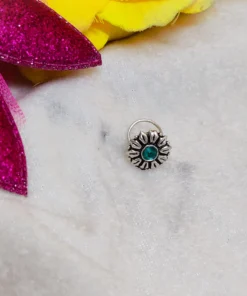
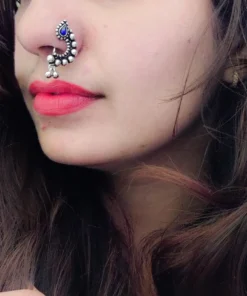
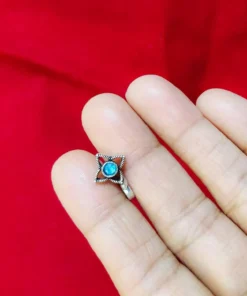
Bullak — The Large Statement Ring
The bullak is a large nose ring — typically 4–8 cm in diameter — that makes a bold bridal statement. It is the most traditional choice as a nath for wedding ceremonies in Maharashtra, Rajasthan, and parts of North India. Bullak designs often feature the entire ring studded with pearls, kundan stones, or both.
Additionally, the bullak typically connects to the ear via a chain (nath chain or “nath ki chain”). This chain can be a simple gold chain or an elaborate pearl-and-gold strand that creates a stunning diagonal line across the cheek.
Septum Nath — The Centre Nose Ring
A septum nath sits on the centre wall (septum) between the nostrils rather than on one side. This style has ancient roots in tribal Indian culture and has experienced a major revival in 2026 fashion. As a bridal nose ring, septum rings offer a unique, non-traditional look.
Furthermore, septum naths come in hinged (clicker) and horseshoe designs. Bridal septum pieces often feature delicate filigree work and small stone settings. They pair beautifully with bohemian-themed and destination weddings.
Clip-On Nath — The Non-Pierced Option
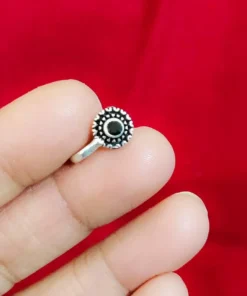
Clip-on naths solve the biggest challenge for brides without nose piercings. These press-on designs use a spring mechanism or magnetic clasp to attach securely to the nostril. A clip-on nath for wedding use can be just as ornate as a pierced version — complete with chains, pearls, and stone work.
Moreover, clip-on options have improved dramatically in 2026. Modern designs stay secure for 6–8 hours and cause minimal discomfort. Explore clip-on styles at Glamaya’s nose pin collection, which includes both pierced and non-pierced options.
-
Stylish Oxidised Clip On Nosepin Set: Pack Of 8
Original price was: ₹1,799.00.₹349.00Current price is: ₹349.00.
-
Ethnic Non-pierced Nose Pin: Traditional Clip-on Beauty
Original price was: ₹1,099.00.₹249.00Current price is: ₹249.00.
-
Boho Chic Oxidised Clip-on Nose Pin
Original price was: ₹1,099.00.₹249.00Current price is: ₹249.00.
-
Stylish Oxidised Clip On Stone Nosepin - Trendy Fashion Jewelry
Original price was: ₹1,349.00.₹299.00Current price is: ₹299.00.

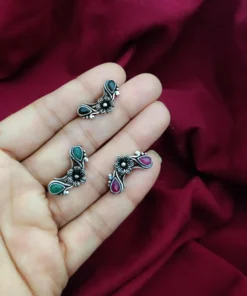
Chain Nath with Maang Tikka — The Connected Design
The most dramatic style features a nath connected to a maang tikka (forehead ornament) via a chain that runs along the hairline. This creates an elaborate frame around the face that photographs beautifully. It is a popular nath for wedding ceremonies in Rajasthani and Punjabi traditions.
Additionally, this connected design eliminates the need for a separate ear chain because the maang tikka serves as the anchor point. Explore matching maang tikka designs at Glamaya’s maang tikka collection.
Regional Nath Styles — Finding Your Cultural Match
India’s diverse cultures have created distinct nath styles. Choosing a regionally appropriate bridal nath adds authentic cultural depth to your bridal look.
Maharashtrian Nath — The Crescent Masterpiece
The Maharashtrian nath is the largest and most dramatic regional style. It is a crescent-shaped ring (5–10 cm diameter) worn on the left nostril with a pearl chain extending to the ear. The “topi” (basket or setting) at the piercing point is distinctively large and often features a floral motif. This style pairs perfectly with nauvari sarees and paithani drapes.
Rajasthani Nath — Kundan and Pearl Elegance
Rajasthani naths feature kundan stonework (glass set in gold) and pearl drops. They tend to be medium-sized (3–6 cm) with a rounded shape. The signature “keel” (hook) design allows easy wearing. Furthermore, Rajasthani naths often include meenakari (enamel work) on the reverse side, adding colour when the bride turns her head. This makes it a stunning choice for bridal photography from every angle.
Bengali Nath — The Delicate Nolok
In Bengal, the nath is called “nolok.” It is typically a small to medium ring (2–4 cm) with a distinctive Bengali pattern — often featuring a single large pearl or diamond at the nose point with smaller decorative elements along the ring. The chain connects to the hair rather than the ear, creating a softer draping effect.
South Indian Mookuthi — The Elegant Stud
South Indian brides traditionally wear a small nose stud called “mookuthi” rather than a ring-style nath. This is typically a single diamond, ruby, or gold stud on the left nostril. While not a traditional ring nath for wedding ceremonies, the mookuthi holds equal cultural importance in Tamil, Telugu, and Malayalam bridal traditions.
-
Ethnic Maharashtrian Oxidised Nose Pin Nath - Premium Quality
Original price was: ₹1,799.00.₹349.00Current price is: ₹349.00.
How to Choose a Nath for Wedding by Bridal Style
Matching your nath to your overall bridal style ensures a cohesive look. Below is a comparison table to guide your selection.
| Wedding Style | Best Nath Type | Size | Chain Style |
|---|---|---|---|
| Traditional North Indian | Kundan bullak | Large (5–8 cm) | Pearl chain to ear |
| Maharashtrian | Crescent nath | Large (6–10 cm) | Gold chain to ear/hair |
| South Indian | Mookuthi (stud) | Small (0.5–1 cm) | No chain |
| Modern/Minimalist | Small nathni or septum | Small (1–3 cm) | Optional thin chain |
| Destination/Boho | Septum or clip-on ring | Medium (3–5 cm) | Optional or none |
As this guide shows, the right bridal nath depends on your cultural background, personal taste, and overall bridal ensemble. Consequently, shop with your complete outfit in mind rather than selecting the nath in isolation.
How to Choose a Nath for Wedding by Face Shape
Your face shape significantly influences which nath style flatters you most. Here is a quick guide.
For round faces, choose elongated or teardrop-shaped naths that add vertical length. Avoid large circular rings that emphasise roundness. A medium-sized nath with a vertical pearl drop works beautifully.
For oval faces, almost any style works. Oval is the most versatile face shape for nath selection. Experiment freely with large bullaks, delicate nathnis, or chain-connected designs.
For heart-shaped faces, medium-sized round naths balance the wider forehead and narrower chin. Furthermore, a nath with a chain that drapes across the fuller part of the cheek creates visual harmony.
For square or angular faces, round and curved nath designs soften the jawline. Avoid angular or geometric nose pins. Instead, choose flowing, organic shapes with pearl accents.
Pierced vs Non-Pierced Nath for Wedding — Pros and Cons
One of the biggest decisions brides face is whether to get a nose piercing for their wedding nath or use a clip-on alternative. Here are the honest pros and cons of each.
Pierced nath advantages: More secure (will not fall off during ceremonies), wider design selection, looks more authentic, and can be worn long after the wedding as daily jewellery. Additionally, a healed piercing (done 3–6 months before the wedding) causes zero discomfort on the wedding day.
Pierced nath disadvantages: Requires planning 3–6 months ahead, involves mild pain during piercing, risk of infection if not cared for properly, and creates a permanent change.
Clip-on nath advantages: No piercing needed, instant on-and-off convenience, suitable for brides who want the look only for the wedding day, and available in most designs that pierced naths offer.
Clip-on nath disadvantages: May slip during lengthy ceremonies (4–6 hours), can cause nostril soreness from clamping pressure, and the spring mechanism may be visible in close-up photos. However, modern clip-on designs at Glamaya have improved significantly and stay secure for most wedding durations.
-
Ethnic Non-pierced Nose Pin: Traditional Clip-on Beauty
Original price was: ₹1,099.00.₹249.00Current price is: ₹249.00.
-
Ethnic Oxidised Clip Non Pierced Nose Pin - Stylish & Trendy For Women
Original price was: ₹1,099.00.₹249.00Current price is: ₹249.00.
How to Wear a Nath — Step-by-Step Guide
Wearing a nath correctly ensures comfort and a polished look throughout your wedding. Follow these steps.
- Clean the nath: Wipe with a soft cloth to remove any tarnish or residue before wearing.
- For pierced naths: Insert the pin through the nose piercing and secure the internal clasp or screw-back. Ensure the ring hangs at the desired angle.
- For clip-on naths: Open the spring clip, position on the nostril edge, and release gently. Adjust until comfortable and secure.
- Attach the chain: Connect the nath chain to your earring, ear cuff, or a small hook pinned in your hair. The chain should drape naturally without pulling.
- Test the hold: Gently shake your head and touch your face to ensure nothing shifts. Adjust if needed.
- Final check: Look in a mirror from multiple angles — front, profile, and three-quarter view — to confirm the nath sits symmetrically.
Moreover, ask your makeup artist to complete foundation and contouring before wearing the nath. Applying makeup after the nath is positioned risks smudging product onto the ornament.
How to Care for and Store Your Nath
Proper care preserves the beauty of your nath for years, allowing you to wear it again for anniversaries, festivals, and family functions.
For gold naths, clean with warm soapy water and a soft brush every 3–4 months. Store in individual soft pouches to prevent scratching. Additionally, have a jeweller check stone settings annually.
For oxidised and fashion naths, keep away from moisture and chemicals. Wipe with a dry cloth after wearing. Furthermore, store in zip-lock bags with silica gel packets. Never spray perfume or hairspray directly near an oxidised nath.
For clip-on naths, check the spring mechanism regularly. If the clip loosens over time, a jeweller can tighten it inexpensively. Store clip-ons with the clip open to prevent spring fatigue.
Where to Buy a Nath for Wedding Online
Shopping for a nath for wedding ceremonies online offers convenience and variety. Glamaya’s nose pin collection features pierced and clip-on naths in oxidised, kundan, pearl, and stone-work styles. Prices start under ₹200, making bridal nose ornaments accessible to every budget.
Additionally, Glamaya provides detailed product photos, accurate measurements, and material specifications for every nath. You can pair your nose ornament with matching jhumkas, chokers, combo sets, and bangles to complete your bridal look.
Furthermore, as noted by Brides.com’s Indian bridal guide, shopping for the nath early — at least 1 month before the wedding — allows time for any adjustments or exchanges. Glamaya’s easy return policy makes this risk-free.
Frequently Asked Questions About Nath for Wedding
What is the significance of wearing a bridal nath?
The nath is one of the 16 shringar (bridal adornments) in Hindu tradition. It symbolises marital blessings, feminine beauty, and prosperity. Additionally, Ayurveda connects the left nostril piercing to reproductive health, adding a wellness dimension to the tradition.
Which side should I wear my nath for wedding?
Traditionally, the nath is worn on the left nostril. In Ayurveda, the left nostril is linked to the female reproductive system. However, some regional traditions prefer the right side. Choose based on your cultural background and personal preference.
Can I wear a nath for wedding without a nose piercing?
Yes. Clip-on and press-on naths are widely available and can be just as ornate as pierced versions. Modern clip-on designs at Glamaya stay secure for 6–8 hours. They are an excellent option for brides who want the traditional look without a permanent piercing.
How far in advance should I get my nose pierced for a wedding nath?
Get your nose pierced at least 3–6 months before the wedding. This allows the piercing to heal fully. A healed piercing causes zero discomfort when wearing a heavy bridal nath for wedding ceremonies.
What is the difference between a nathni and a bullak?
A nathni is a small, delicate nose ring (1–3 cm), while a bullak is a large, statement ring (4–8 cm or more). Nathnis suit minimalist brides, and bullaks suit traditional and grand wedding styles.
How do I keep my nath for wedding from falling during the ceremony?
For pierced naths, ensure the screw-back is tight. For clip-ons, test the spring tension before the wedding. Additionally, the chain connecting to the ear or hair provides a safety anchor. Some brides use a tiny drop of skin-safe adhesive as extra security.
What is a Maharashtrian nath?
A Maharashtrian nath is a large crescent-shaped nose ring (6–10 cm) worn on the left nostril with a pearl or gold chain to the ear. It is the most dramatic regional nath style and is central to Marathi bridal tradition.
How much does a bridal nath cost?
Gold bridal naths range from ₹15,000 to ₹2 lakh depending on weight and stones. Fashion and oxidised naths at Glamaya start under ₹200. Consequently, every bride can find a nath for wedding use within her budget.
Can I wear a nath with glasses?
Yes, but choose a small nathni or stud rather than a large ring. Position the nath above the glasses frame. Clip-on styles work better with glasses because you can adjust placement more easily.
Where can I buy a nath for wedding online?
Glamaya.com offers a wide selection of bridal naths — from small nathnis to large bullaks, in pierced and clip-on styles. Prices start under ₹200 with free shipping and easy returns across India.