
What is Antique Jewellery
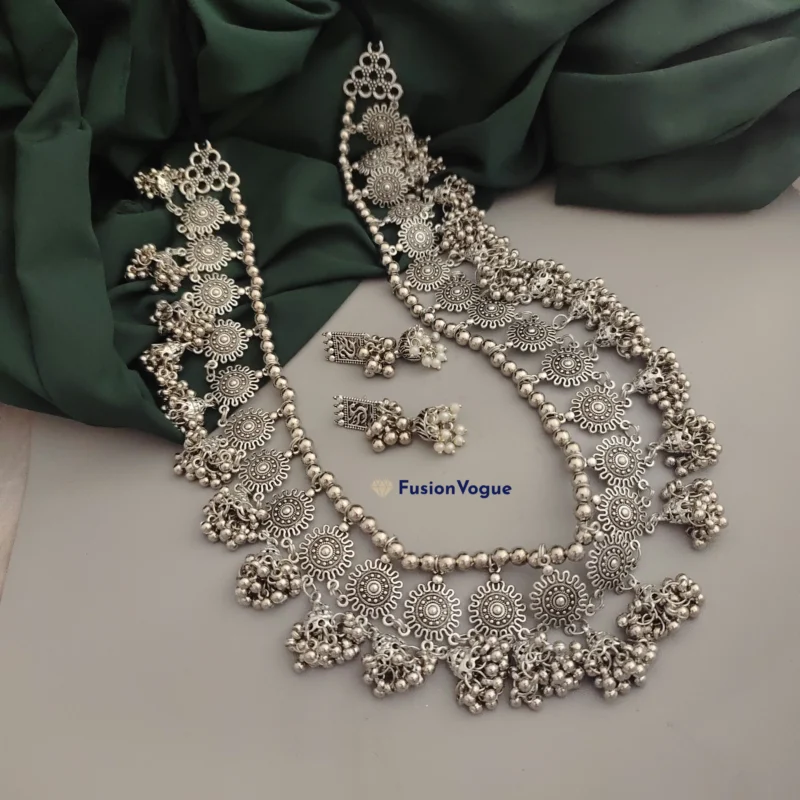
Dec
Introduction
Antique jewellery represents more than just an accessory; it showcases the artistry, culture, and craftsmanship of bygone eras. These timeless treasures have captured the hearts of jewellery enthusiasts and collectors alike. But what defines antique jewellery, and why does it hold such special value? In this comprehensive guide, we will explore its essence, unique features, popular styles, and the reasons it remains a sought-after choice for jewellery lovers worldwide.
What Defines Antique Jewellery?
Antique jewellery refers to any piece of jewellery that dates back at least 100 years. These pieces hold value due to their historical significance, craftsmanship, and rarity. Unlike modern jewellery, which is often mass-produced, antique jewellery pieces are usually handmade, showcasing intricate detailing and exceptional artistry that remains difficult to replicate today.
Jewellery from a range of historical periods falls under the category of antique. Some of the most notable periods include the Georgian, Victorian, Edwardian, and Art Nouveau eras. Each of these periods contributed distinct styles and design motifs that continue to inspire modern jewellery design.
Key Characteristics of Antique Jewellery
- Age: Jewellery must be at least 100 years old to be classified as antique.
- Handmade Craftsmanship: Unlike modern, machine-made jewellery, antique jewellery showcases handcrafted detailing, making each piece unique. Fine detailing, hand-carved elements, and artistic flourishes highlight the artisan’s creativity and skill.
- Unique Materials: Materials like old mine-cut diamonds, natural pearls, and precious metals like 18k gold, platinum, and silver are commonly found in these pieces.
- Distinctive Design: Each historical era featured its unique design elements. For instance, Georgian jewellery (1714-1837) focused on nature-inspired motifs, while the Victorian era (1837-1901) introduced romantic and symbolic designs like hearts, flowers, and lockets.
- Rarity: Since production of antique jewellery ceased long ago, its scarcity enhances its desirability. Each piece carries historical and sentimental value, increasing its worth over time.
Historical Eras of Antique Jewellery
1. Georgian Era (1714-1837)
The Georgian era is celebrated for its nature-inspired designs that incorporate leaves, flowers, and animals. Jewellers of this period often used diamonds, garnets, topaz, and other colored gemstones. The irregular cuts of stones and handcrafted designs are hallmarks of this era.
2. Victorian Era (1837-1901)
During Queen Victoria’s reign, romantic and sentimental jewellery took center stage. Lockets, heart-shaped pendants, and mourning jewellery became popular. Designs often featured floral motifs, serpents, and religious symbols.
3. Edwardian Era (1901-1915)
Edwardian jewellery emphasized delicate filigree designs, platinum settings, and white-on-white colour schemes. Jewellery from this era featured diamonds and pearls, creating an elegant, feminine look.
4. Art Nouveau Era (1890-1910)
The Art Nouveau period celebrated flowing, organic lines and nature-inspired motifs like flowers, insects, and mythical creatures. Materials such as enamel, moonstone, and opals were popular during this artistic movement.
Types of Antique Jewellery
- Rings: These often feature intricate filigree designs and old mine-cut diamonds. Engagement rings from the Edwardian and Victorian eras remain popular.
- Necklaces and Pendants: Elaborate and symbolic designs are common in antique necklaces. Lockets from the Victorian era and nature-inspired necklaces from the Georgian period are classic examples.
- Earrings: Antique earrings showcase masterful craftsmanship, often featuring natural pearls, diamonds, and colored gemstones.
- Bracelets and Bangles: Victorian charm bracelets and bangle sets remain popular. These bracelets often include personalized engravings.
- Brooches: Georgian and Victorian brooches featured symbolic designs representing love, mourning, or protection, making them meaningful adornments.
FAQs About Antique Jewellery
- 1. What is the difference between antique and vintage jewellery?
- Antique jewellery is over 100 years old, while vintage jewellery is typically 20 to 99 years old.
- 2. How can I tell if my jewellery is antique?
- Examine hallmarks, review the style and materials, and consult an expert for a professional appraisal.
- 3. What materials are commonly used in antique jewellery?
- Common materials include 18k gold, platinum, silver, natural pearls, and old mine-cut diamonds.
- 4. Can I wear antique jewellery daily?
- While some pieces can be worn daily, delicate items may be best reserved for special occasions to prevent damage.
- 5. Is antique jewellery a good investment?
- Yes, due to its rarity, craftsmanship, and historical significance, antique jewellery often increases in value over time.
Conclusion
Antique jewellery represents a timeless connection to art, history, and craftsmanship. With unmatched designs, symbolic meanings, and investment potential, these pieces remain cherished by collectors and enthusiasts. By understanding their history, styles, and key characteristics, you can make informed decisions when buying or collecting these precious heirlooms. From the elegance of the Edwardian era to the romantic charm of Victorian lockets, antique jewellery preserves the beauty of the past while adding sophistication to the present.
Indian Antique Jewellery Traditions
India has some of the richest antique jewellery traditions in the world, with each region developing distinct styles over centuries.
Temple Jewellery (South India)
Originating in Tamil Nadu and Karnataka, temple jewellery features motifs of Hindu deities, mango shapes (paisley), and sacred symbols. Traditionally made of gold with rubies and emeralds, modern reproductions in antique-finish necklaces and temple jhumkas make this style accessible. Temple jewellery is the foundation of South Indian bridal looks.
Kundan and Polki (Rajasthan and North India)
Kundan jewellery involves setting uncut gemstones in gold using lac (a natural resin) as adhesive. Polki uses uncut diamonds in the same technique. Both styles originated in Rajasthani royal courts and remain the most prestigious forms of Indian bridal jewellery. The antique patina that develops over time actually enhances the beauty of these pieces.
Lac Jewellery (Rajasthan)
Lac bangles are among the oldest forms of Indian jewellery — made from natural resin embedded with stones and mirrors. They are lightweight, colourful, and an integral part of Rajasthani married women’s daily wear. The traditional art of lac bangle making is still practised in Jaipur and Jodhpur.
Filigree (Odisha)
Cuttack in Odisha is famous for its silver filigree work — delicate, lace-like patterns created from thin silver wire. This ancient technique produces incredibly detailed earrings, pendants, and brooches that look like metallic lace.
How to Identify Genuine Antique-Style Pieces
With antique-style jewellery trending in fashion, it is important to understand what you are buying.
Patina and finish: Genuine antique gold develops a warm, slightly dull sheen over decades. Antique-style reproductions achieve this through chemical oxidation — a legitimate technique. Be wary of pieces that look too uniformly aged, as natural aging is uneven.
Weight and construction: Traditional antique jewellery tends to be heavier because older techniques used more metal. Modern reproductions are usually lighter — which is actually an advantage for wearability.
Stone setting: In genuine kundan work, stones are set in lac resin rather than modern adhesives. The back of kundan jewellery should show the meenakari (enamel) work — if the back is plain or empty, it is a simpler reproduction.
Hallmarks and provenance: Genuine antique pieces from established jewellers carry hallmarks. For fashion antique-style jewellery, focus on build quality, finish evenness, and clasp reliability rather than hallmarks.
Caring for Antique Jewellery
Storage: Keep antique pieces in individual soft cloth pouches or lined jewellery boxes. Never store multiple pieces together — they scratch each other. Silica gel packets in the storage box absorb moisture and prevent tarnishing.
Cleaning: For oxidised antique-finish pieces, use a soft dry cloth only. Never use chemical cleaners, toothpaste, or ultrasonic cleaners — they strip the oxidised finish that gives the jewellery its antique character. For gold antique jewellery, a gentle soap-water solution with a soft brush works.
Wearing: Put jewellery on last (after makeup, perfume, and hairspray) and remove it first. Chemicals in cosmetics accelerate tarnishing. Avoid wearing antique-finish jewellery in the shower, pool, or during exercise.
Repairs: If stones become loose in kundan or antique settings, take them to a jeweller who specialises in traditional techniques. Regular jewellers may use modern adhesives that look different from the original lac or kundan setting.
nice